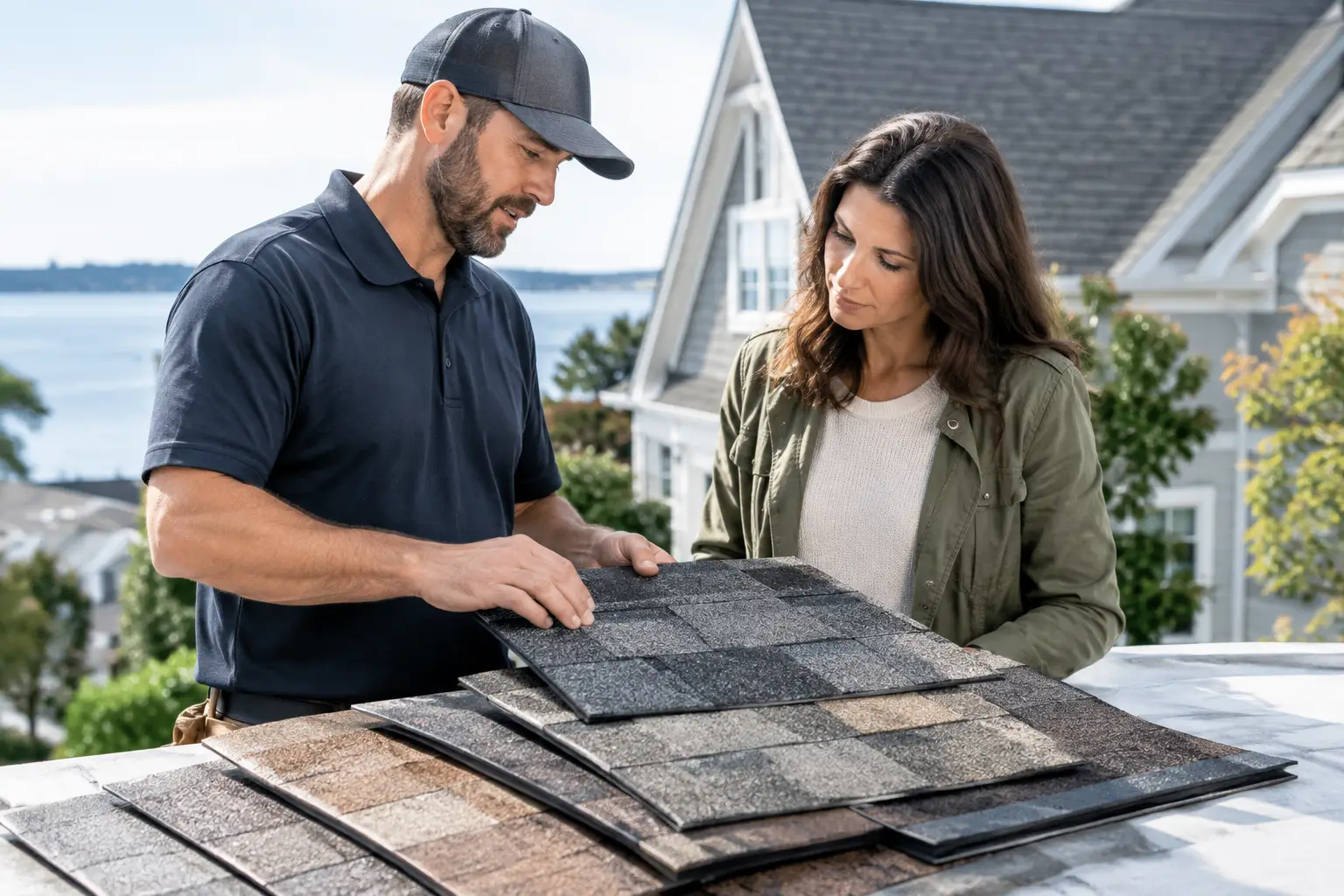
Shingle Selection Process: Choose a Roof That Fits
A roof replacement is not simply a matter of picking the color you like best. The shingle selection process affects how your home handles wind, rain, snow, heat, and daily wear for years to come. The right choice should suit the roof’s design, your property’s condition, and the weather exposure common across New Jersey and Staten Island – not just a sample board viewed in ideal lighting.
At Top Pros Construction LLC, we help property owners sort through those choices in clear terms. A careful evaluation before materials are ordered can prevent mismatched colors, overlooked ventilation concerns, and a roofing system that does not address the cause of an existing problem.
Start With the Condition of Your Existing Roof
Before comparing shingle styles, determine what the current roof is telling you. Curled edges, cracked tabs, bald-looking granules, missing shingles, and recurring ceiling stains may point to a roof nearing the end of its useful service life. They can also indicate a more limited issue, such as damaged flashing around a chimney, an improperly sealed pipe vent, or a gutter problem sending water where it does not belong.
That distinction matters. Replacing a few damaged shingles can be reasonable when the surrounding roof is in good condition and a matching material is available. When shingles are brittle across broad areas, repairs may become temporary and difficult to blend. An inspection helps establish whether you are choosing shingles for a focused repair or selecting a complete roofing system.
The roof deck also deserves attention. The deck is the wood surface beneath the roofing materials. If it has been affected by prolonged moisture, it may need repair before new underlayment and shingles are installed. New shingles should not be used to hide soft decking, active leaks, or failing roof details.
The Shingle Selection Process Begins With Roof Design
Most residential asphalt shingles fall into two broad categories: three-tab shingles and architectural shingles. Three-tab shingles have a flatter, more uniform appearance. Architectural shingles, sometimes called dimensional shingles, are thicker and layered to create more depth and variation.
For many homes, architectural shingles are the more practical choice because they provide a substantial look and are available in a wider range of colors and profiles. Still, the best material depends on the building, the roof slope, and the scope of work. A low-slope section, for example, may not be appropriate for standard shingles at all. It may require a flat-roof material designed to shed water differently.
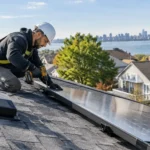
Roof complexity also affects the selection and installation plan. Valleys, dormers, skylights, chimneys, walls, and pipe penetrations create transition points where water management is especially important. Shingles are only one layer of protection. Underlayment, flashing, starter materials, ridge components, and properly installed ventilation all contribute to the finished roof’s performance.
Match the Shingle to Wind and Weather Exposure
A roof on an open hill, near the coast, or in a neighborhood with little tree cover may experience more direct wind exposure than a protected home. High wind does not only lift shingles. It can loosen ridge caps, strain flashing, and drive rain beneath materials that are not correctly secured.
Wind ratings and manufacturer installation requirements should be considered alongside the roof’s shape and exposure. The selected shingles must also be installed according to the applicable requirements for the product and local building conditions. A material may look right on paper but perform poorly if the full installation system is not planned carefully.
Snow and ice deserve consideration as well. Ice can form at the lower edge of a roof when warm indoor air contributes to uneven melting. Proper attic insulation and ventilation can help reduce the conditions that contribute to ice dams, while protective membrane materials in vulnerable roof areas add another layer of defense. No shingle color or style alone solves an attic ventilation problem.
Color Is About More Than Curb Appeal
Shingle color changes the way a home looks from the street, but it should also work with the rest of the exterior. Look at brick, stone, siding, trim, shutters, gutters, and chimney masonry before narrowing your options. A cool gray shingle can complement gray siding and stone. Warm brown or weathered wood tones may better suit tan siding, red brick, or natural masonry.
Samples should be viewed outdoors, preferably at different times of day. Sun, shade, and cloud cover can make the same shingle look noticeably different. A small sample can also appear more uniform than it will across an entire roof, where the blend of tones becomes more visible.
Darker shingles can create a strong, traditional appearance, while lighter blends may make a roofline feel less heavy. The right choice is subjective, but permanent exterior materials are worth considering carefully. If you expect to repair masonry, replace siding, or upgrade gutters later, choose a roof color that leaves room for those future improvements.
Do Not Overlook Ventilation and the Attic
A roof replacement is an ideal time to assess airflow through the attic. Ventilation helps remove heat and moisture from the attic space. When it is inadequate, the home may experience excessive attic heat, moisture-related staining, condensation, or premature wear in roofing materials.
Balanced intake and exhaust are the goal, but the proper approach depends on the home’s construction. Soffit vents at the eaves often provide intake, while ridge vents or other approved roof vents provide exhaust. Blocked soffits, insulation placed over vents, or improperly configured exhaust can limit the system’s effectiveness.
If you have noticed unusually high attic heat, frost on the underside of roof decking in winter, or persistent moisture around attic areas, raise those concerns before deciding on shingles. The answer may involve ventilation, insulation, roof repairs, or a combination of those items. A professional assessment can separate possible causes from confirmed conditions.
Compare Value, Not Just the Material Price
It is understandable to focus on the initial price of roofing materials, but the lowest-priced shingle is not automatically the best value. The total project scope may include removal of existing roofing, deck repairs if needed, underlayment, flashing work, ventilation improvements, disposal, and protection for landscaping and exterior surfaces.
More complex roofs generally require more labor and more detail work. A roof with several valleys and chimney intersections is not comparable to a simple rectangular roof, even if both homes have similar square footage. Accessibility, steep slopes, and the condition of existing materials can also affect the project.
Ask for an estimate that explains the planned work in understandable terms. You should know what materials are being used, how leak-prone areas such as valleys and chimney transitions will be handled, and what conditions could require additional discussion once existing materials are removed. Clear communication protects you from surprises and helps you compare options fairly.
Consider the Rest of the Exterior
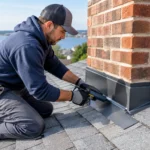
Roof problems often connect to other exterior components. Gutters that overflow or pull away from the roof edge can saturate fascia boards and contribute to water issues around the foundation. Damaged siding can allow moisture behind the exterior wall. Cracked chimney crowns, deteriorated mortar joints, and missing flashing can create leak symptoms that homeowners may mistake for a shingle problem.
A whole-exterior view does not mean every issue requires a major project. It means the roofer should identify visible conditions that may affect the result. For example, chimney repointing or flashing repair may be best coordinated with a roof replacement, while gutter replacement may be advisable if the existing system cannot properly move water away from the roofline.
A Practical Way to Make the Final Choice
Once the roof condition and installation needs are understood, the final decision becomes much simpler. Select a shingle style that suits the home, a color that works with fixed exterior materials, and a product appropriate for the building’s weather exposure. Then make sure the proposed scope addresses the components beneath and around the shingles.
Avoid making the decision based on color alone or assuming every leak requires a full replacement. A careful inspection can show whether targeted repair is appropriate, whether aging materials make replacement more sensible, and whether chimney, gutter, siding, or masonry concerns should be addressed at the same time.
If you are weighing roofing options for a home in New Jersey or Staten Island, our team can inspect the roof, explain the visible conditions, and help you make a shingle choice that fits the property rather than a one-size-fits-all recommendation.