Roofing Technology Trends That Matter for Your Roof
A roof problem rarely announces itself with a dramatic collapse. More often, it starts with a ceiling stain after a heavy rain, a few loose shingles near the ridge, or a gutter that overflows even after cleaning. The most useful roofing technology trends are not gimmicks. They help property owners spot moisture earlier, choose materials more thoughtfully, and make better repair or replacement decisions before small exterior issues spread.
For homeowners and building owners in New Jersey and Staten Island, changing weather is a practical concern. Wind-driven rain, snow, ice, humid summers, and sudden storms all test the roof, flashing, gutters, siding, masonry, and chimney areas where water can enter. Technology can improve the evaluation and planning process, but durable results still depend on finding the actual source of the problem and completing the work correctly.
Roofing Technology Trends With Practical Value
Not every new roofing product or inspection tool belongs on every property. The right choice depends on the roof’s age, slope, material, drainage design, attic conditions, and history of leaks. Still, several developments are helping property owners make more informed decisions.
Better moisture detection during roof inspections
A visible water stain does not always sit directly below the leak. Water can travel along roof decking, framing, pipes, or insulation before it reaches the ceiling. That is why a careful roof inspection often includes more than looking at the stained area indoors.
Moisture meters and thermal imaging can sometimes help identify suspicious damp areas behind finished surfaces or beneath roofing materials. Thermal imaging detects temperature differences, which may point to wet insulation or areas affected by air movement. It is useful evidence, but it is not a final diagnosis on its own. Sun exposure, shade, and changing outdoor temperatures can also affect the image.
We use inspection findings in context. The condition of shingles or flat roofing, flashing around chimneys and walls, roof penetrations, attic ventilation, and interior symptoms all matter. If a source cannot be confirmed from the surface, additional investigation may be needed before recommending a repair.
Aerial images and measured roof planning
Aerial imagery and digital measurement tools have changed how contractors can prepare for a roofing project. These tools can provide a preliminary view of roof size, slopes, ridges, valleys, and other layout details without relying only on manual measurements.
For property owners, this can support clearer project planning and material estimates. It is especially useful for larger homes, multifamily buildings, and commercial properties with complicated rooflines. However, digital measurements do not replace an on-site assessment. They cannot reliably show soft decking, hidden flashing failures, loose masonry, or the condition of a chimney crown.
A good estimate should reflect what is visible on the property and explain what may only be confirmed after existing materials are removed. That is particularly important when an older roof has had several repairs over time.
Smarter leak monitoring for flat and commercial roofs
Flat and low-slope roofs require a different approach than asphalt shingle roofs. Water can move slowly across the surface, collect around drains, or enter at seams and flashing details. A leak may remain hidden until insulation becomes saturated or interior finishes are affected.
Electronic leak detection and moisture scanning are increasingly used on some commercial roof systems. These methods can help narrow down locations where water may be entering, particularly on larger roof areas. Monitoring systems and sensors are also available for certain buildings that need ongoing oversight.
The value depends on the property. A small residential low-slope section may be better served by a detailed hands-on inspection and targeted repair. A large commercial building or multifamily property with recurring moisture concerns may benefit from more advanced testing and documented maintenance planning.
Cooler, more reflective roofing materials
Energy-conscious roofing is another major area of change. Reflective roof coatings and light-colored membranes can reduce how much solar heat a low-slope roof absorbs. In the right application, that can help reduce heat buildup at the roof surface and make upper spaces more comfortable.
This is not a one-size-fits-all upgrade. A reflective coating must be compatible with the existing roof system, and the roof must be in suitable condition before coating is considered. Coating over damaged seams, wet materials, or failed flashing will not solve the underlying problem.
For asphalt shingle roofs, color and material selection can affect heat absorption, but ventilation and attic insulation also play a major role in comfort and moisture control. If an attic feels excessively hot or shows signs of condensation, the solution may involve more than replacing shingles.
Roofing Materials Are Becoming More System-Focused
One of the most meaningful roofing technology trends is the shift away from thinking of a roof as shingles alone. A dependable roof is a system of layers and details working together: the deck, underlayment, ice and water protection where appropriate, shingles or membrane, flashing, ventilation components, and drainage.
Modern synthetic underlayments can offer improved tear resistance and weather protection during installation compared with older felt products. Enhanced flashing products and purpose-made accessories can also improve protection around valleys, chimneys, skylights, walls, and pipe penetrations. These areas deserve close attention because transitions are frequent leak points.
Material upgrades are useful when they fit the roof design and scope of work. For example, a new shingle roof may need deteriorated chimney flashing addressed at the same time. Replacing only the shingles while leaving failing brick joints, a cracked chimney crown, or damaged step flashing in place can allow water problems to continue.
Drainage Technology Starts With the Right Gutter System
Roofing and gutters are closely connected. Water that cannot move away from the roof edge can spill behind gutters, soak fascia boards, stain siding, and collect near the foundation. Larger gutters, properly sized downspouts, improved gutter guards, and better drainage routing are common upgrades, but they are not automatically the answer to every overflow issue.
Sometimes the problem is simple debris buildup. In other cases, gutters may have the wrong pitch, too few downspouts, loose hangers, or a roof valley that sends a heavy volume of water into one short section. A gutter inspection should look at how water moves across the entire roofline, not only at the point where it spills over.
Gutter guards can reduce the amount of leaves and debris entering a system, but they still need periodic inspection. Fine debris can collect on top of some guards, and a guard that is not suited to the roof edge can affect how water enters the gutter during intense rain.
Exterior Problems Often Cross Trade Lines
Technology can make it easier to document conditions, but a complete exterior evaluation still needs to consider related systems. A roof leak around a chimney, for example, may involve worn flashing, deteriorated mortar joints, a damaged crown, or a combination of issues. Water entering behind siding can come from roof runoff, flashing failures, damaged siding panels, or improperly managed gutters.
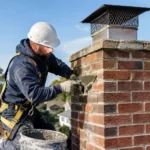
Masonry technology has improved with specialized repair materials and better diagnostic tools, yet the fundamentals remain the same. Brick and stone need sound mortar joints, stable surfaces, and properly directed water. Repointing can restore failing mortar, but it will not correct water pouring over an overflowing gutter above the wall.
The same principle applies to siding. Modern vinyl siding products can be durable and low-maintenance, but siding is not a waterproof barrier by itself. Proper flashing, drainage space, and trim details help protect the wall assembly behind it.
What Technology Cannot Replace
Digital reports, drone images, and advanced moisture tools can be valuable, but they cannot replace careful workmanship. A photo may show a lifted shingle, but it cannot tell you whether the fasteners are secure beneath it. A thermal scan may suggest moisture, but the cause still needs to be confirmed. A material with impressive specifications can still fail if flashing, drainage, or installation details are overlooked.
For property owners, the most helpful approach is to use technology as part of a clear process: inspect the condition, explain the likely causes, identify what can be repaired, and discuss when replacement makes more sense. Ask how the contractor will address transitions at chimneys, walls, gutters, and penetrations, not just the field of the roof.
If you have recurring leaks, storm damage, aging roofing, overflowing gutters, damaged siding, or deteriorating chimney and masonry areas, Top Pros Construction LLC can help you understand the condition of the exterior and discuss practical next steps. A professional inspection can bring clarity before a minor issue becomes a larger repair.