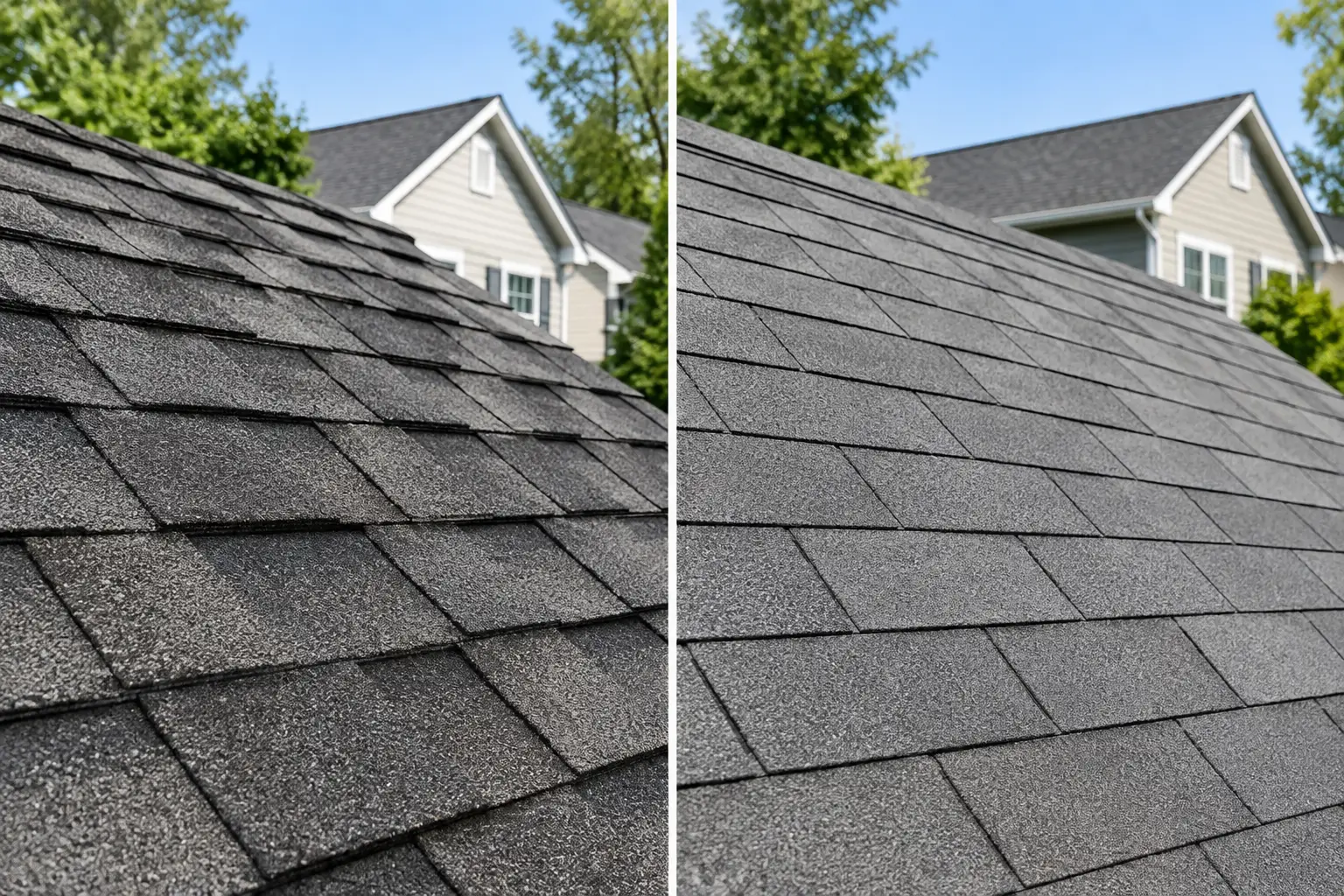
Architectural Versus Three Tab Shingles Compared
A roof that is nearing the end of its life does not always fail all at once. You may first notice curled edges, bare spots where granules have worn away, recurring leaks, or shingles missing after a storm. When it is time to choose a replacement, the architectural versus three tab shingles decision often comes down to more than appearance. It affects the roof’s expected service life, wind performance, repair considerations, and overall look of the property.
At Top Pros Construction LLC, we help New Jersey and Staten Island property owners understand what their roof actually needs before recommending a scope of work. Both shingle types can be appropriate in the right situation. The better choice depends on the roof design, the condition of the decking and flashing, your plans for the property, and the material options available for the project.
Architectural Versus Three Tab Shingles: The Basic Difference
Three tab shingles are the traditional flat asphalt shingles seen on many older homes. Each piece has cutouts that create three separate-looking tabs once installed. They lay in a uniform pattern, giving the roof a clean, simple, flat appearance.
Architectural shingles, sometimes called dimensional or laminated shingles, are built with multiple bonded layers of asphalt material. Their varied shape and thickness create more depth and shadow lines. From the street, they can resemble higher-end roofing materials more closely than a standard flat shingle.
The difference is not only visual. The added construction of architectural shingles commonly provides greater weight and strength than three tab products. However, every product line has its own specifications. Material selection should be based on the specific shingle, the roof’s slope and design, local weather exposure, and the complete installation system, not the name alone.
Appearance and Curb Appeal
For homeowners planning to stay in their house, appearance can be a meaningful part of the decision. Architectural shingles offer more color variation and texture, which can complement newer siding, stone accents, brick facades, or a renovated entryway. They are especially popular on roofs with prominent street-facing slopes.
Three tab shingles provide a more uniform, traditional look. That can make sense for a modest roofline, a rental property where a simple matching repair is needed, or a building where the existing style calls for a flatter profile. They are not automatically a poor choice because they are simpler. The question is whether their appearance and performance characteristics fit the property and your priorities.
Color matters, too. A roof color should work with permanent exterior elements such as brick, masonry, siding, trim, and gutters. Looking at a small sample outside in natural light is more useful than choosing from a screen image alone.
Durability, Wind, and Weather Exposure
Roofing in New Jersey and Staten Island needs to handle wind-driven rain, winter weather, summer heat, and branches or debris during storms. Architectural shingles are generally thicker than three tab shingles and are often designed for stronger wind resistance. This is one reason they are a common choice for full roof replacements.
That said, a shingle is only one part of a roof system. Underlayment, flashing around chimneys and walls, ventilation, starter materials, fastening methods, and the condition of the roof deck all affect how the roof performs. A quality shingle cannot correct rotten sheathing, loose flashing, or an improperly managed water path.
Three tab shingles can still perform well when correctly installed and maintained. But because they are lighter and have a simpler construction, they may be more susceptible to wind damage and visible wear over time than many architectural options. If your home is exposed to open wind, has a steep roof, or has experienced repeated shingle loss, that added resilience may be worth considering.
Cost: Look Beyond the Shingle Bundle
Three tab shingles typically have a lower material cost than architectural shingles. This can matter when managing a repair budget or replacing roofing on a larger multifamily property. Architectural shingles generally cost more because they use more material and offer a dimensional finish.
The total project cost, however, is not determined by the shingle alone. Roof size, pitch, number of layers to remove, access, chimney and wall flashing, skylights, valleys, damaged decking, ventilation needs, and disposal all influence the final scope. A low-slope porch roof, for example, may require a different roofing approach than the main shingled roof.
For a property owner comparing proposals, a clear estimate should explain what is included: tear-off or overlay work where appropriate, replacement of identified damaged wood, flashing details, ventilation work, cleanup, and any related repairs. If one estimate is substantially lower, ask whether these necessary details are included rather than assuming the shingles are the only difference.
Repair Compatibility Can Affect the Decision
If only one area of the roof is damaged, a targeted repair may be practical. The existing shingle type plays a major role. Matching a three tab roof can sometimes be more straightforward because of its consistent pattern, although color fading and discontinued products can still make a repair noticeable.
Architectural shingles can also be repaired, but matching their blend, thickness, and shadow pattern may take more consideration. If a roof has widespread granule loss, brittle shingles, recurring leaks, or damage across several slopes, repeated spot repairs may no longer offer good long-term value. An inspection can help distinguish a localized issue from a roof that is approaching replacement.
Do not assume a ceiling stain confirms a roof failure. Water can travel before it becomes visible indoors. The source may involve a damaged shingle, a plumbing vent, chimney flashing, a wall transition, clogged gutters, or another exterior opening. We inspect the surrounding conditions to identify likely water-entry points and recommend repairs based on what the property shows.
Your Roof Choice Should Work With the Whole Exterior
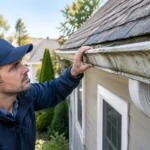
A new roof is a good time to look at the exterior features that direct water away from the building. Gutters that overflow, sag, or discharge too close to the foundation can contribute to water problems even when the shingles are in sound condition. Proper gutter and downspout repairs help protect roof edges, siding, masonry, and the ground around the home.
Chimneys deserve close attention during roofing work because flashing is a common transition point. Cracked mortar, missing chimney caps, deteriorated flashing, or failed sealant can allow water in. Our chimney repair and repointing work can address exterior deterioration when it is part of the condition found.
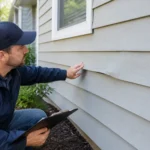
Siding and masonry issues can also resemble roof leaks. Damaged siding around a roof-to-wall connection, open joints in brickwork, or failing exterior trim may let water enter behind the surface. Addressing the actual source, whether it involves roofing, siding, gutters, masonry, or a chimney component, helps avoid paying for a repair that does not solve the problem.
When Architectural Shingles Usually Make Sense
Architectural shingles are often a practical fit when you are planning a full replacement and want a more dimensional appearance with generally stronger material construction. They can be especially appealing on homes with visible rooflines, complex slopes, valleys, dormers, or exterior upgrades that would benefit from a more substantial roof profile.
They may also make sense for owners who want to reduce the likelihood of frequent replacement decisions over the course of ownership, provided the rest of the roof system is addressed properly. This is not a reason to replace a roof that only needs a repair, but it is a useful consideration when replacement is already warranted.
When Three Tab Shingles May Be the Better Fit
Three tab shingles can be appropriate when matching an existing roof, controlling up-front material costs, or preserving a simple architectural style. They may also be a reasonable option for certain repair projects when compatible materials are available and the rest of the roof remains in good condition.
The key is to avoid choosing solely by the initial shingle price. A lower-cost material can be the right choice, but only if it suits the property’s exposure, condition, and expected use. Landlords and property managers, for example, may weigh durability, maintainability, tenant disruption, and the timing of other exterior improvements when deciding how to proceed.
Start With the Condition of Your Existing Roof
Missing shingles, water stains, granules in gutters, cracked flashing, or sagging roof areas are all reasons to arrange a professional evaluation. They do not automatically mean a full replacement is necessary, but they should not be ignored. Early repairs can sometimes limit water damage to decking, insulation, ceilings, siding, or interior finishes.
Whether architectural or three tab shingles are right for your property, the goal is a roof system that fits the building and is installed with attention to the details around it. If you are considering roof repair or replacement in New Jersey or Staten Island, Top Pros Construction LLC can inspect the exterior, explain the findings clearly, and provide a detailed scope for the work your property needs.