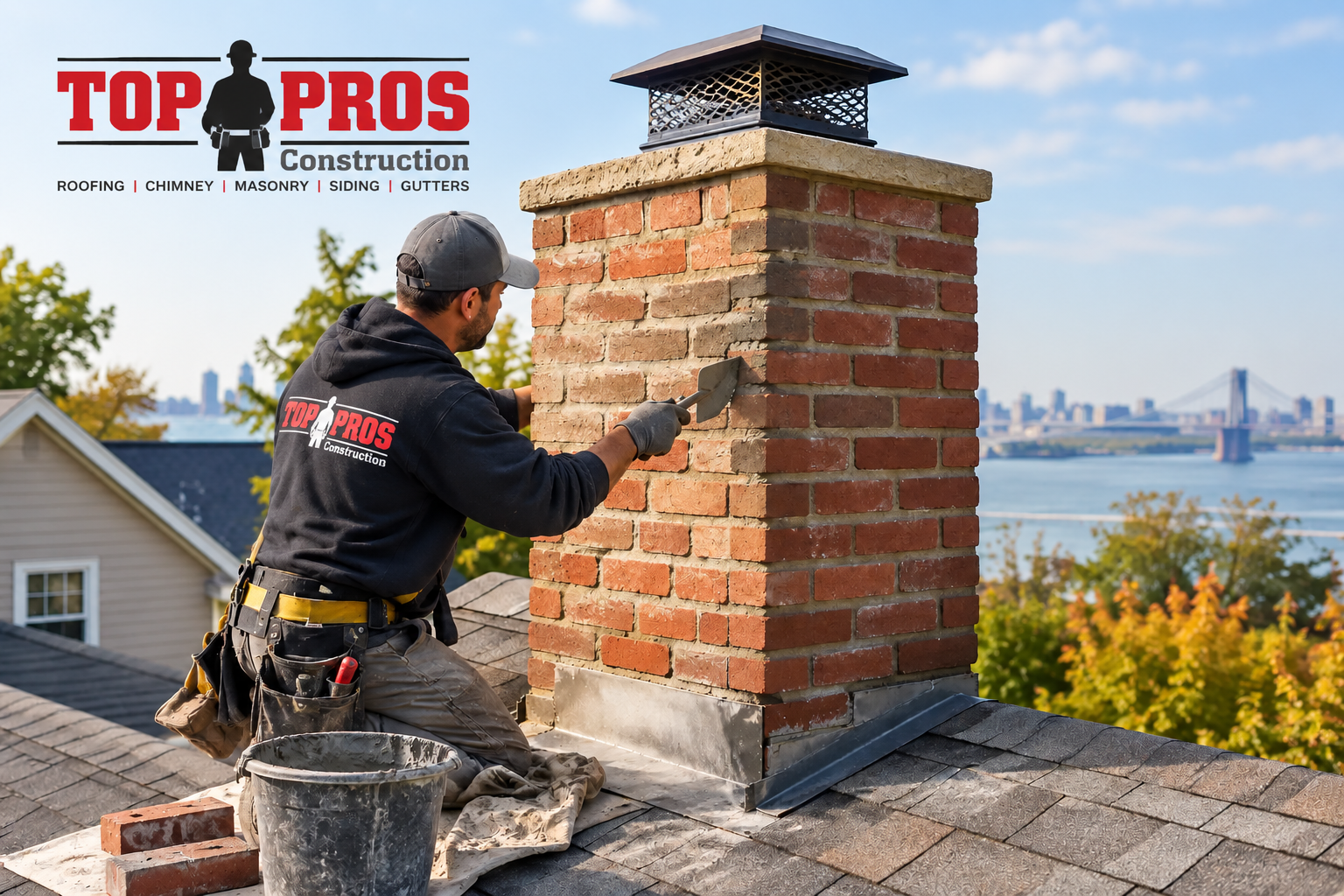
When Chimney Repointing NJ Protects Your Home
A chimney can look solid from the driveway while its mortar joints are quietly failing. For New Jersey property owners, chimney repointing NJ service is often the repair that stops a small masonry problem from becoming a roof leak, interior water stain, loose brick hazard, or costly chimney rebuild. The goal is not simply to make old mortar look new. It is to restore the weather-resistant joints that hold the chimney masonry together.
New Jersey chimneys take a hard hit from freeze-thaw cycles, wind-driven rain, snow, humid summers, and years of roof-level exposure. When water enters cracked or missing mortar, it can expand during freezing weather and push the damage deeper into the structure. Acting early protects both the chimney and the exterior systems around it.
What Chimney Repointing Actually Repairs
Repointing is the process of removing loose, cracked, or deteriorated mortar from the joints between bricks and installing new mortar. A qualified masonry crew does not simply spread fresh material over damaged joints. That surface-only approach, often called tuckpointing in casual use, can hide the problem for a short time without addressing weak mortar beneath it.
Proper work begins by cutting or grinding out compromised mortar to an appropriate depth while protecting the surrounding brick. The joints are cleaned, prepared, and filled with compatible new mortar. The mortar is then tooled to help shed water and match the existing joint profile as closely as practical.
The word compatible matters. Mortar that is too hard for older brick can contribute to brick face damage over time. Mortar that is too weak or poorly mixed may crack and wash out prematurely. The right material and installation method depend on the chimney’s age, brick condition, exposure, and existing construction.
Signs Your Chimney Needs Repointing in NJ
Most homeowners do not inspect chimney joints closely, and they should not need to climb onto a roof to do it. Still, a ground-level look can reveal reasons to schedule a professional inspection.
Watch for mortar joints that are cracked, recessed, crumbling, or missing in sections. Loose bricks, white powdery staining on masonry, rust around the chimney flashing, and damp marks on the ceiling near the fireplace are also warning signs. A chimney that leans, has wide stair-step cracks, or drops brick fragments requires prompt professional attention because the issue may extend beyond ordinary repointing.
Water staining inside the home does not automatically mean the roof is failing. Chimney crowns, caps, flashing, masonry joints, and roof shingles all meet in the same vulnerable area. That is why a complete exterior inspection is more useful than guessing which component is responsible.
Do Not Confuse Repointing With a Chimney Rebuild
Repointing is a targeted repair for mortar joints when the chimney bricks and overall structure remain sound. A partial rebuild may be necessary if bricks are spalling, courses have shifted, the chimney crown has failed badly, or the upper section is unstable. In severe cases, rebuilding the chimney above the roofline can be the safer long-term choice.
There is a trade-off. Repointing costs less and preserves more of the existing masonry when conditions allow. But applying it to a chimney with widespread brick failure or structural movement can delay, rather than prevent, a larger repair. A straightforward inspection should explain which condition is present and why.
Why Damaged Mortar Leads to Bigger Exterior Problems
Mortar joints are the chimney’s first line of defense against moisture. Once those joints open, water travels behind and between bricks. In winter, trapped water freezes and expands. In warmer months, repeated rain can keep the masonry damp and accelerate deterioration.
That moisture can also affect the roof transition around the chimney. Flashing may pull away, corrode, or lose its seal. Wood framing near the roof deck can remain wet. Insulation can become damp, and stains may eventually show up on ceilings or walls. For attached chimneys, moisture can sometimes find its way to siding, trim, or interior finishes as well.
A sound chimney system includes more than brick and mortar. It includes a properly sloped crown, a secure chimney cap, functional flashing, and roofing materials that are correctly integrated at the base. Addressing these connected details at the same time helps prevent repeat leaks and separate service calls.
What a Professional Chimney Repointing NJ Inspection Should Cover
A dependable masonry assessment should look beyond the most visible crack. The contractor should examine the condition of mortar joints, individual bricks, the chimney crown, flue area, cap, and roof flashing. The inspection should also consider nearby shingles, siding, gutters, and signs of moisture inside the property when relevant.
Homeowners deserve clear answers before work begins. The estimate should identify the repair area, explain whether joint replacement is sufficient, and state whether additional work such as crown repair, brick replacement, flashing repair, or waterproofing is recommended. Not every chimney needs every service, and a good contractor explains the difference.
Access and height matter, too. A one-story chimney with localized joint damage is very different from a tall chimney over a steep roof or a commercial structure with difficult access. These conditions affect labor, safety planning, and project cost. The lowest estimate is not always the best value if it leaves damaged flashing, loose brick, or failing crown material untouched.
The Right Time to Schedule Masonry Repair
Spring and fall are popular seasons for chimney work because temperatures are generally favorable for masonry materials. However, visible water intrusion, falling mortar, loose bricks, or storm damage should not wait for the perfect season. Temporary protection may be needed while permanent repairs are scheduled.
It is also smart to inspect the chimney after a severe storm, after winter, or when replacing a roof. Roof replacement provides a practical opportunity to evaluate chimney flashing and upper masonry while the work area is already accessible. Coordinating related exterior work can reduce disruption and help ensure that each component performs as part of one protective system.
How to Help Your Repointing Repair Last
Repointing is durable work, but no exterior masonry is maintenance-free. Keep an eye on the chimney from the ground after major weather events. Make sure gutters are not overflowing near the chimney or saturating adjacent roofing and masonry. A damaged or missing cap should be repaired promptly to limit water entry through the flue.
Avoid coating a chimney with an inappropriate paint or non-breathable sealant. Some products can trap moisture inside masonry, especially if the underlying joints, crown, or flashing have not been repaired first. When water resistance is needed, the solution should be selected for the chimney’s condition and brick type after the source of moisture has been corrected.
Homeowners should also avoid patching deep joint failures with store-bought caulk or a thin layer of mortar. These quick fixes rarely hold up against New Jersey weather and can make a later repair more complicated. Professional repointing is precise work, particularly around aging brick and roof penetrations.
Questions Homeowners Commonly Ask
How long does chimney repointing take?
Small, accessible repairs may take a day or two. Larger chimneys, extensive joint deterioration, brick replacement, crown repairs, or weather delays can extend the schedule. The condition of the chimney matters more than its visible size alone.
Will repointing stop a chimney leak?
It can stop leaks caused by open mortar joints, but a leak may also come from flashing, the crown, the cap, roof shingles, or a combination of issues. A full inspection is the best way to identify the actual entry point.
Can chimney repointing be done in cold weather?
Masonry materials need suitable temperature and curing conditions. Emergency stabilization may still be possible during colder periods, while permanent work may need weather-appropriate planning. A qualified contractor can recommend the safest approach for the conditions.
A chimney repair should leave you with more than cleaner-looking mortar. It should give you confidence that the masonry, flashing, and roofline are working together to keep water outside where it belongs. Top Pros Construction LLC provides clear assessments and durable exterior repair solutions for New Jersey property owners who want the job handled carefully from inspection through final cleanup.