Sloped Flat Roofing for Better Drainage
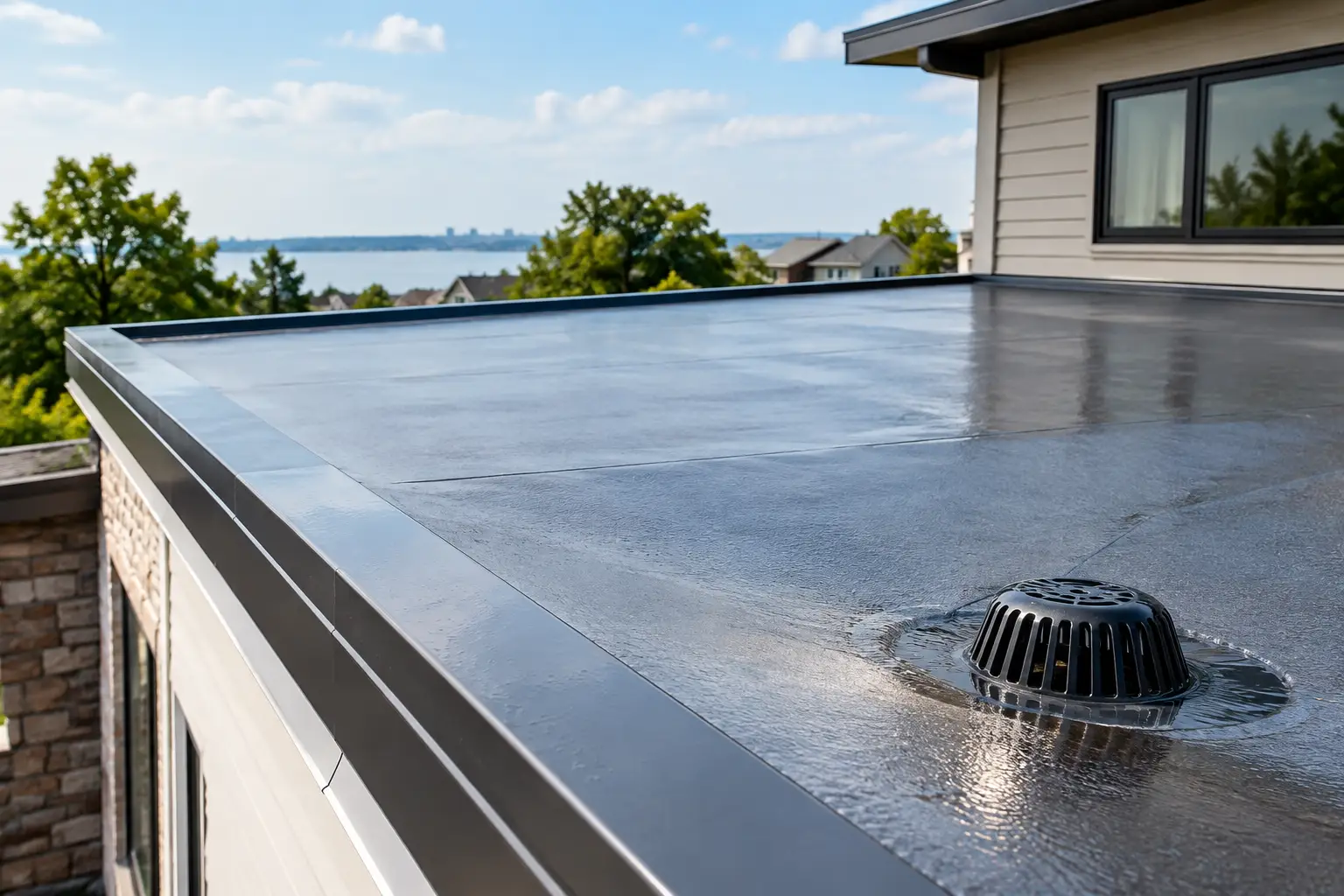
A roof can look flat from the street and still need a carefully designed slope. Sloped flat roofing uses a gradual pitch to move rainwater and melting snow toward drains, scuppers, or gutters instead of letting it sit on the roof surface. For property owners in New Jersey and Staten Island, that small change in elevation can make a meaningful difference in leak prevention, drainage, and long-term roof performance.
The key is not making a flat roof look steep. It is creating enough slope in the right direction, with a drainage path that remains clear and properly detailed around seams, edges, penetrations, and transitions.
What Is Sloped Flat Roofing?
A conventional flat roof is rarely perfectly level. It should have a low slope so water can travel off the roof. Sloped flat roofing may describe a new low-slope roof built with intentional pitch, or an existing roof that is being reworked to correct drainage problems.
The slope may be formed by the roof deck itself, tapered insulation, lightweight fill, or another approved roofing system component. Tapered insulation is commonly used because its thickness changes gradually across the roof, creating a path for water without requiring major changes to the building structure.
The right approach depends on the roof’s framing, the height of doors and parapet walls, drain locations, existing materials, and the condition of the roof deck. A professional inspection helps determine whether poor drainage is the main issue or whether leaks are coming from worn membrane seams, flashing, masonry, or another source.
Why Drainage Matters on a Low-Slope Roof
Standing water, often called ponding water, adds stress to a roof system. Over time, it can accelerate membrane wear, expose weak seams, collect debris, and increase the chance that water will find an opening around a drain or penetration. It can also hide developing damage until a leak appears inside the building.
Some temporary water after a heavy storm does not automatically mean the roof has failed. The concern rises when water remains for long periods, returns in the same area after each rain, or appears alongside blistering, open seams, algae growth, or interior staining.
Drainage problems can become more complicated in winter. Freeze-thaw cycles can affect flashing and vulnerable edges, while blocked drains or gutters may keep melting snow from leaving the roof as intended. On attached homes, multifamily properties, and commercial buildings, water movement from an adjacent roof section can also contribute to the problem.
Signs Your Roof May Need More Slope
Visible ponding is the clearest warning sign, but it is not the only one. Look for recurring leaks after rainfall, soft or sagging areas, cracked or deteriorated roof coating, loose flashing, water marks on ceilings, or debris collecting near drains and scuppers.
Pay attention to exterior clues as well. Overflowing gutters, staining on siding, washed-out areas near downspouts, and deteriorating brick near roof edges may indicate that water is not being controlled effectively. These issues do not confirm a roof drainage problem by themselves, but they are worth evaluating together.
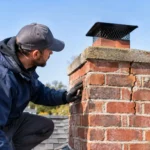
If water is entering near a chimney, it may be related to failed chimney flashing, a damaged crown, or aging mortar rather than the field of the flat roof. The goal of an inspection is to follow the water path carefully instead of assuming the most visible symptom identifies the cause.
How a Sloped Flat Roof Is Designed
Effective low-slope roofing begins with a drainage plan. Water needs a clear route from the high points of the roof to its intended exit point. That route must account for rooftop equipment, skylights, vents, parapet walls, chimneys, and changes in roof elevation.
On some buildings, a roof can drain to perimeter gutters. On others, internal drains carry water through piping inside the structure, while scuppers direct water through openings in parapet walls. Each option requires proper sizing, placement, and maintenance. A drain located at the wrong elevation, for example, may leave a low area holding water even when the rest of the roof slopes correctly.
Tapered insulation can create valleys that guide water toward drains and crickets that divert water around obstacles. A cricket is a raised, sloped section installed behind features such as chimneys or equipment curbs so water does not collect against them. These details are especially valuable where a roof has repeated ponding near a wall or penetration.
A roofing contractor should also review how the new slope affects transitions. Raising portions of the roof can change flashing heights at walls, doors, vents, and chimneys. If those details are not addressed as part of the project, a drainage improvement can create a new vulnerability at the perimeter.
Repair, Re-Slope, or Replace?
The best option depends on the roof’s age, condition, and the scope of the drainage issue. If a roof is otherwise in good condition and water is collecting in one isolated area, targeted repair work may be appropriate. This might involve improving drain function, repairing damaged membrane sections, or correcting localized low spots where feasible.
When ponding occurs across multiple areas, the existing roof has widespread wear, or previous repairs have not held, a more comprehensive re-slope and roof replacement plan may provide better value. Installing tapered insulation beneath a new roofing system can address drainage while replacing aged materials and flashing details at the same time.
There are trade-offs. A full replacement requires a larger project scope and careful coordination, particularly for occupied multifamily or commercial properties. It may also require adjustments to drains, edge metal, rooftop equipment supports, or access points. However, simply applying another coating or patching the same low areas repeatedly may not solve the underlying water-management issue.
At Top Pros Construction LLC, we discuss what we see, explain whether repair or replacement appears more practical, and provide a clear scope based on the roof’s actual condition. No general article can determine what a specific property needs, which is why an on-site assessment matters.
Materials and Details That Affect Performance
A low-slope roof is only as dependable as its complete system. The roof membrane, insulation, seams, flashing, drainage components, edge details, and penetrations all need to work together. A durable membrane cannot compensate for blocked drainage, and correctly sloped insulation will not stop leaks if wall flashing has failed.
Material selection should reflect the roof design and its expected use. A residential addition, porch roof, apartment building, or commercial property may have different drainage patterns, foot traffic, equipment, and maintenance needs. The existing roof assembly also matters. In some cases, a new system can be installed over an existing roof; in others, removing damaged or moisture-affected materials is the safer approach.
Roof edges deserve special attention. Water that leaves the roof must be carried away from the building through properly functioning gutters, downspouts, scuppers, or drainage piping. If gutters are loose, undersized, clogged, or directing water near the foundation, the roofing project should account for those conditions rather than treating them as unrelated.
Maintaining a Sloped Flat Roof
Slope reduces the chance of standing water, but it does not eliminate maintenance. Leaves, branches, roofing granules, and windblown debris can block drains and scuppers. After major storms, it is wise to check from the ground for overflowing water, displaced gutter sections, loose edge material, or obvious debris buildup. Avoid walking on a roof unless you can do so safely and without damaging the surface.
Schedule professional attention when you notice recurring interior stains, active dripping, persistent ponding, bubbling or splitting roof material, or damage after high winds. Early repair can often limit moisture intrusion into insulation, decking, walls, and interior finishes.
For properties with chimneys, masonry parapets, or siding adjacent to the roofline, periodic inspection is particularly useful. Cracked mortar, failed chimney crowns, loose siding, and open trim joints can allow water behind exterior materials and make a roof leak harder to trace.
Plan the Roof Around the Water
A successful low-slope roofing project is not just about covering the building. It is about directing water safely off the roof and away from the exterior. If your property has ponding water, repeated leaks, clogged roof drains, or an aging flat roof, Top Pros Construction LLC can inspect the condition and help you understand the practical next steps for your New Jersey or Staten Island property.