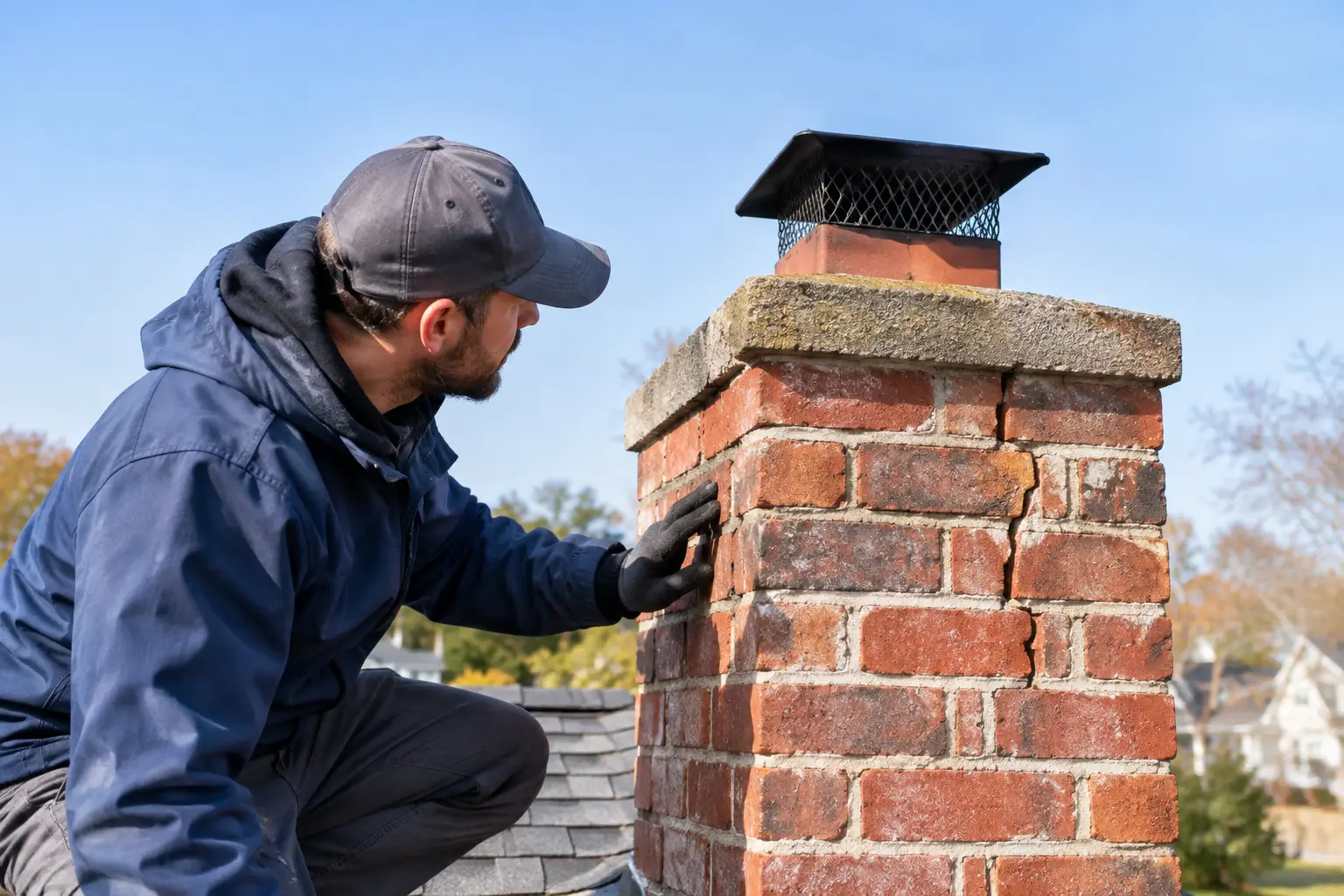
How to Spot Chimney Cracks Before Leaks Start
A small line in chimney brick can be easy to dismiss, especially from the ground. But learning to spot chimney cracks early can help you address failing mortar, moisture entry, or movement before the damage reaches interior walls, ceilings, or the roof structure. A crack does not automatically mean your chimney is unsafe or needs to be rebuilt. Its location, size, direction, and surrounding conditions all matter.
For homes across New Jersey and Staten Island, freeze-thaw weather, wind-driven rain, aging mortar, and roof drainage problems can all take a toll on masonry chimneys. A careful visual check gives you useful information, but a professional inspection is the right next step when cracking is spreading, water is getting in, or the chimney appears to be shifting.
Where to Look to Spot Chimney Cracks
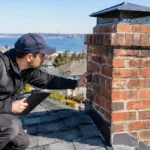
Start from the ground with binoculars if needed. Do not climb onto the roof, lean a ladder against the chimney, or attempt to remove loose masonry. Chimney damage can affect both the exterior brickwork and the areas where the chimney meets the roof.
Look at the exposed brick or stone from several angles. Hairline cracks may appear as thin lines in individual bricks, while mortar cracks usually run along the joints between bricks. Pay close attention to the upper courses of masonry, the chimney crown, and the area just above the roofline. These sections receive the most direct exposure to rain, snow, sun, and temperature changes.
Also check the indoors-facing signs. A water stain near a fireplace, dampness in the attic around the chimney, peeling paint on nearby walls, or a musty odor after rain can point to a chimney leak. Water can enter through cracked masonry, but it can also get in through failing flashing or roofing materials around the base of the chimney. The visible stain does not always reveal the actual entry point.
What Different Chimney Crack Patterns May Mean
The pattern of a crack offers clues, though it cannot confirm the cause without closer evaluation.
Thin cracks in mortar joints
Mortar is the material that holds bricks together. It often wears down before the bricks themselves, particularly on older chimneys. Shallow cracks, gaps, or sandy mortar joints may indicate normal weathering and may be addressed with repointing. Repointing involves removing damaged mortar to an appropriate depth and placing new mortar that is compatible with the existing masonry.
This type of repair can stop water from working deeper into the wall. It is most effective when the surrounding bricks remain sound and the chimney is stable.
Vertical, diagonal, or stepped cracks
A vertical crack can develop from temperature changes, moisture exposure, or stress in the masonry. A diagonal or stair-step crack that follows mortar joints deserves closer attention, especially if it is wide, growing, or accompanied by displaced brick. These patterns can be associated with movement in the chimney, deterioration behind the visible face, or settlement-related issues.
There is no single explanation for every stepped crack. An inspection should consider whether the crack is limited to the surface, whether bricks have moved out of alignment, and whether the chimney footing, roof framing, or adjacent wall shows related signs of movement.
Cracked or crumbling chimney crown
The crown is the concrete or masonry cap at the top of the chimney. Its job is to shed water away from the flue and brickwork below. Cracks in the crown can allow water to enter the chimney structure, where repeated freezing and thawing can widen the damage.
A small surface crack may be repairable, while a crown that is deeply split, flaking apart, or poorly sloped may need to be rebuilt. The condition of the flue liner, cap, and upper brick courses also affects the best repair approach.
Spalling bricks and missing faces
Spalling means the surface of a brick is breaking, flaking, or popping off. It often happens after water enters the brick and freezes. Damaged brick faces are more than a cosmetic concern because they expose softer interior material to more moisture.
When only a few bricks are affected, targeted brick replacement may be practical. When deterioration is widespread, repairs may need to extend across a larger section of the chimney. The goal is to remove failed material and correct the moisture issue that caused it.
Why Chimney Cracks Can Lead to Roof Leaks
A chimney is a masonry structure passing through the roof, so it depends on both chimney work and roofing details to stay watertight. The flashing is the metal system installed where the chimney meets the roof. Step flashing, counterflashing, sealant, shingles, and nearby underlayment all need to work together.
A homeowner may see a crack in the chimney and assume it is the source of a leak, but the issue could be deteriorated flashing, lifted shingles, a damaged chimney crown, or more than one condition at once. Conversely, water entering through cracked brick can travel behind exterior finishes and appear inside at the roofline.
This is why chimney repairs should not be isolated from the roof. During an evaluation, we look at the masonry condition and the transition between the chimney and roofing system. If gutters overflow near the chimney or downspouts discharge too close to the foundation, drainage conditions may also be adding unnecessary moisture exposure to the exterior.
When a Crack Needs Prompt Attention
Arrange a professional chimney inspection soon if you notice cracking that is getting wider, loose or missing bricks, a leaning appearance, visible gaps around flashing, or water stains after rain. White powdery residue on brick, called efflorescence, is another useful clue. It does not always mean major damage, but it indicates that moisture is moving through the masonry and leaving mineral deposits behind.
After a heavy storm, check for new debris on the roof or ground, displaced chimney cap components, and changes to the flashing area. If water is actively entering the home, protect nearby furnishings and document the visible conditions if it is safe to do so. Avoid applying caulk or roof cement as a quick fix without identifying the source. Surface patches can trap moisture or hide a problem that continues behind the repair.
For multifamily buildings and investment properties, early review is especially helpful when residents report staining near fireplaces or top-floor ceilings. Coordinating chimney, roof, and gutter observations can reduce repeat visits and help define a clearer repair scope.
Repair or Rebuild: What Determines the Right Option?
The best solution depends on the extent of deterioration. Localized mortar failure may call for repointing. A failed crown can often be repaired or replaced without rebuilding the full chimney. Individual damaged bricks may be removed and replaced when the rest of the stack is stable.
More extensive work may be appropriate when bricks are severely spalled, large sections are loose, the chimney is visibly out of plumb, or water damage has progressed through multiple areas. In those cases, partial rebuilding from the roofline up may make more sense than repeatedly patching failing masonry.
Repair costs vary with chimney height, roof access, the amount of masonry that must be removed, material matching, flashing work, and whether related roofing repairs are needed. A clear estimate should identify the conditions observed, the work proposed, and any related areas that should be monitored rather than treated immediately.
Simple Maintenance That Helps Protect a Chimney
You cannot prevent every masonry issue, but routine exterior care can slow avoidable damage. Keep gutters clear so water does not overflow onto the roof and chimney area. Watch for tree branches that rub against the roof or masonry. After winter and major storms, look from the ground for new cracks, loose brick, or changes around the chimney cap.
Avoid pressure washing a chimney or coating it with an unproven waterproof product. Older masonry needs to release moisture, and the wrong treatment can create additional problems. A masonry professional can recommend whether cleaning, repointing, crown repair, brick replacement, or another approach fits the chimney’s actual condition.
If you have noticed cracked mortar, damaged brick, a leaking ceiling near the chimney, or concerns about flashing, Top Pros Construction LLC can assess the visible conditions and discuss practical chimney and roofing repair options for your property. A timely inspection can help you make a measured decision before a small exterior issue becomes a larger water problem.