
Cracked Brick Repair NJ for Lasting Wall Repairs
A crack across a brick wall, chimney, or front step can make a well-kept property look neglected, but appearance is rarely the only concern. Cracked brick repair NJ homeowners need often starts with finding out why the masonry moved or weakened in the first place. A proper repair should address both the damaged brickwork and the exterior condition that may be allowing water to keep causing trouble.
At Top Pros Construction LLC, we inspect the visible damage, look at the surrounding mortar and exterior components, and recommend work that fits the property’s condition. Some cracks need limited repointing. Others call for individual brick replacement, water-management improvements, or a closer look at the roof, chimney, gutters, or foundation area.
When a Brick Crack Needs Attention
Brick is durable, but it is not immune to water, seasonal temperature changes, settlement, impact damage, and aging mortar. A thin, stable surface crack may not require the same scope as a widening diagonal crack or bricks that are breaking apart. The pattern, location, and condition of the surrounding masonry all matter.
Pay attention if a crack is growing, running in a stair-step pattern along mortar joints, appearing near a window or door opening, or allowing moisture into the wall. Loose bricks, crumbling mortar, white powdery deposits, and areas that stay damp after rain also deserve an inspection. White deposits, often called efflorescence, can indicate that water is moving through the masonry and leaving mineral salts behind.
Chimneys deserve special attention because they are exposed on all sides and rise above the roofline. Cracked chimney brick or mortar can contribute to water entry near the roof, deteriorating flashing, and damage to nearby interior finishes. If you have an active roof or chimney leak, protecting the building from additional water should come first while the underlying source is evaluated.
What Causes Cracked Brickwork?
A visible crack does not confirm a single cause. Masonry problems can develop for several reasons, and the best repair depends on what an inspection finds.
Water is one of the most common contributors. When moisture enters small openings in mortar or brick, freezing temperatures can expand that water and gradually widen the damage. Overflowing gutters, short or disconnected downspouts, and roof runoff that repeatedly hits a wall can keep masonry wet longer than it should be.
Mortar deterioration is another common issue, especially on older homes and multifamily properties. Mortar is the material between bricks. As it wears away, joints lose their ability to shed water effectively and hold the masonry together. This does not always mean the entire wall needs rebuilding. Targeted repointing can restore deteriorated joints when the brick itself remains in sound condition.
Movement can also affect brickwork. Normal settling, shifting around openings, and movement in connected components may create cracks. In some cases, damage is limited to an exterior veneer or a small masonry feature. In others, the crack pattern may justify further evaluation before cosmetic work begins. We do not assume the cause based on one symptom alone.
Cracked Brick Repair NJ Options That Fit the Damage
The right masonry repair should be specific. Covering a crack with patch material without addressing loose mortar, water intrusion, or failing adjacent bricks can leave you with the same issue again after another season.
Repointing worn mortar joints
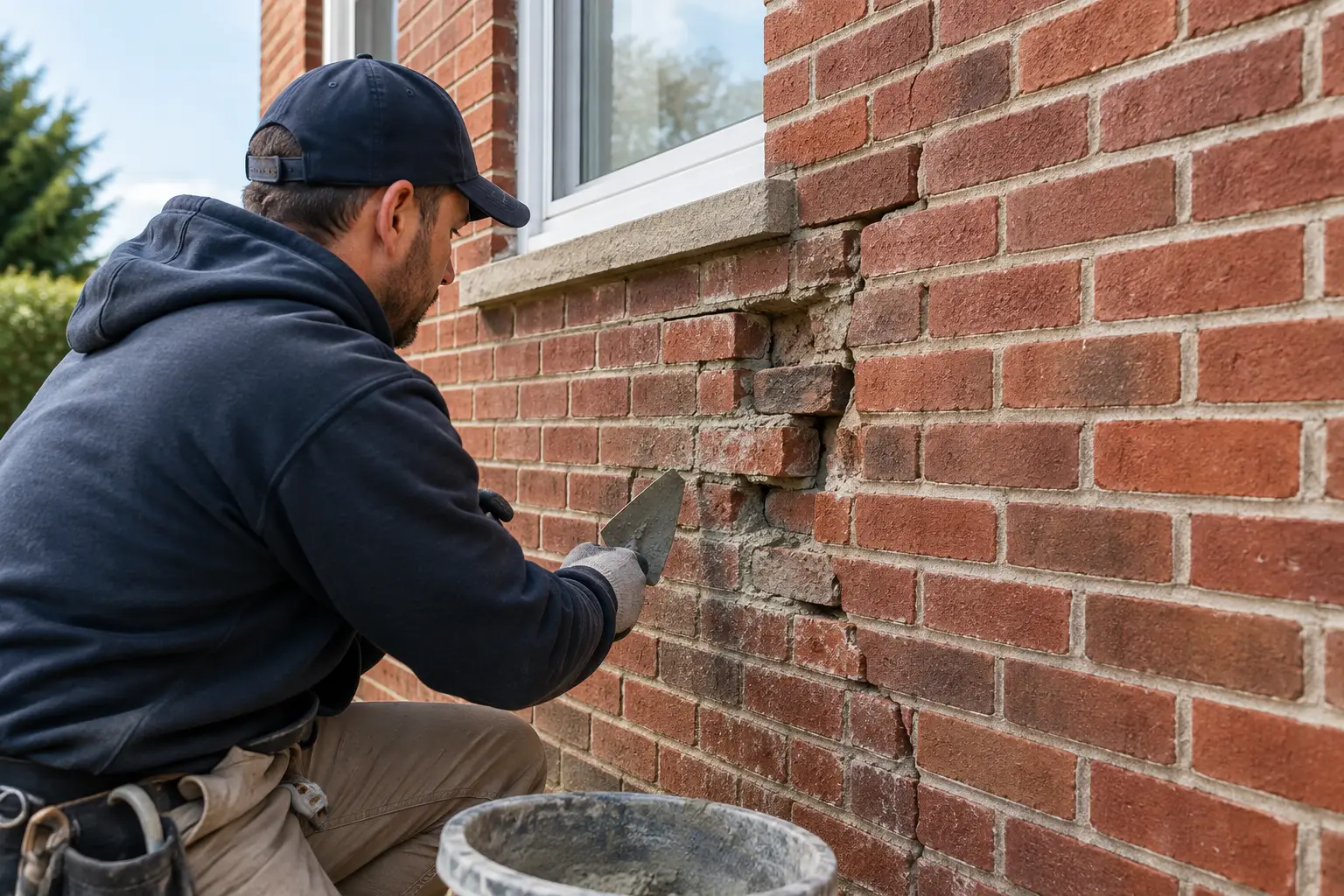
Repointing involves carefully removing damaged or loose mortar from the joints and installing new mortar. The goal is to restore weather resistance and support without unnecessarily disturbing sound masonry. Matching the mortar’s appearance and compatibility with the existing wall matters, particularly on older brick homes.
Repointing is often appropriate when joints are recessed, cracking, or crumbling, while the individual bricks remain solid. It can be useful around chimneys, exterior walls, steps, patios, and walkways.
Replacing damaged bricks
When bricks are spalled, split, loose, or too deteriorated to hold up, replacement may be the more durable approach. Spalling describes a brick face that flakes, chips, or breaks away, often after repeated moisture exposure and freeze-thaw cycles.
A careful repair removes only the failed units where practical, prepares the area, and resets compatible replacement brick with properly finished mortar joints. Color and texture matching may vary with the age and availability of the original materials, but the repair should look considered rather than improvised.
Repairing steps, walkways, and patios
Cracked brick is not limited to wall surfaces. Brick steps, patios, and walkways can shift or loosen as water affects the base beneath them. These areas can become trip hazards, especially when individual pavers or bricks rise above the surrounding surface.
The needed work may range from resetting a limited area to addressing a larger section with drainage or base concerns. The scope depends on the condition below the brick, not only what is visible at the top.
Addressing chimney masonry
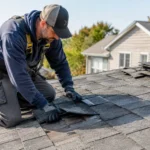
Chimney repairs may include repointing, replacing damaged brick, and repairing exterior components that are allowing water into the structure. Because chimney masonry connects directly with roofing details, it is useful to evaluate the roof area, flashing, and nearby shingles at the same time. A sound brick repair can still be challenged if water is entering from above.
Why Roofing and Gutters Matter to Masonry
Brick repair is often part of a larger exterior maintenance picture. Your roof is the first line of defense against rain, while gutters and downspouts guide water away from siding, masonry, walkways, and foundation areas. When any of those systems fail, brickwork can become the place where the damage shows up.
For example, a roof leak near a chimney can wet the masonry from behind or around the flashing. Missing or aging shingles may allow water into wall areas that appear to have a brick-only problem. Likewise, clogged gutters can overflow onto a brick facade, saturate mortar joints, and wash water toward steps or patios.
Siding also matters where it meets masonry. Damaged siding, poorly sealed transitions, or failing trim can allow water behind exterior finishes. During an inspection, we consider these connected areas so a repair plan is based on the building envelope as a whole, not a single crack viewed in isolation.
Repair or Replacement: How to Decide
Most cracked brick does not automatically require replacement of an entire wall. Localized damage with stable surrounding masonry may be a good candidate for repointing and selective brick replacement. This approach can preserve more of the existing structure and focus the work where it is needed.
More extensive work may be worth considering when a broad area has loose brick, widespread mortar failure, repeated water damage, or a history of unsuccessful patches. Chimneys, retaining features, and heavily exposed walls may need a more comprehensive scope if the underlying masonry has significantly deteriorated.
Cost is influenced by the repair location, access, height, amount of damaged material, condition behind the brick, matching materials, and related roof or drainage repairs. A clear estimate should explain what is included, what condition the recommendation is based on, and whether related work is advisable or necessary.
What to Expect From a Professional Masonry Inspection
A useful inspection starts with the areas you can see, but it should not stop there. We look for cracked or displaced brick, failed mortar joints, staining, moisture pathways, and conditions around rooflines, chimneys, gutters, siding, steps, and walkways.
We also consider whether the problem appears localized or whether there are signs that movement or water is affecting a wider area. You should receive a clear explanation of the observed condition and the recommended scope, without pressure to replace sound materials unnecessarily.
For landlords and property managers, communication and access coordination are especially important. Masonry work near entrances, tenant walkways, and shared exterior spaces may require planning to keep disruption manageable and leave the property clean when work is complete.
Keeping Brickwork in Better Condition
You do not need to perform masonry repairs yourself to help protect your property. Walk around the exterior periodically and watch for new cracks, loose brick, crumbling mortar, staining, and water collecting near walls or steps. Keep gutters clear, make sure downspouts direct water away from the building, and arrange roof or chimney repairs before small leaks have time to affect connected materials.
If you notice active water entry, loose masonry, or worsening cracks, avoid treating it as a simple cosmetic issue. An inspection can clarify whether you need targeted brick work, repointing, a chimney repair, roof repair, gutter correction, or a combination of exterior services.
If your New Jersey or Staten Island property has cracked brick, we can help you understand the condition and discuss a practical repair scope. Contact Top Pros Construction LLC to arrange an inspection or request an estimate based on your property’s specific needs.