
Commercial Roofing Guide for Property Owners
A commercial roof rarely fails all at once. More often, a small seam opening, clogged drain, damaged flashing, or ponding water problem develops quietly until water reaches the building interior. This commercial roofing guide helps property owners recognize early concerns, understand their options, and plan the right next step without assuming that every issue requires a full roof replacement.
For commercial buildings in New Jersey and Staten Island, a roofing decision also affects tenants, employees, inventory, customers, and daily operations. The goal is not simply to cover the building. It is to manage water, protect the structure below, and complete work with a clear scope and as little disruption as the project allows.
Start With the Signs Your Commercial Roof Needs Attention
An active ceiling leak is the most obvious warning sign, but it is not the only one. Water can travel along roof decking, insulation, framing, or mechanical lines before it appears indoors. The stain on a ceiling may be some distance from the actual opening in the roof system.
Other concerns can include bubbling or blistering roof surfaces, open seams, cracks around penetrations, loose edge metal, torn membrane, deteriorated caulking around curbs, or standing water that remains long after rainfall. On a built-up roof, exposed or displaced gravel may point to weathering. On low-slope membrane roofs, wrinkles, splits, and pulled seams deserve a closer look.
Inside the building, look for recurring stains, musty odors, peeling paint near upper walls, damp insulation, or leaks that appear only during wind-driven rain. These signs can be related to the roof, but they may also involve wall flashing, masonry joints, siding transitions, gutters, or drainage components. A professional inspection helps identify the source rather than treating the visible symptom alone.
What a Commercial Roof Inspection Should Evaluate
A useful inspection looks beyond the location of a leak. It should consider the roof field, seams, transitions, flashings, drainage paths, penetrations, perimeter edges, and signs of moisture affecting materials below the surface.
Drainage and Ponding Water
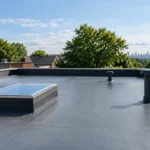
Commercial roofs are often low-slope, meaning they are designed to shed water slowly toward drains, scuppers, or gutters rather than quickly like a steep shingle roof. Water that ponds for extended periods can accelerate material wear and expose weak seams. It can also add weight to the roof surface.
The cause may be blocked drains, debris in scuppers, undersized drainage, settled insulation, or changes to the roof slope. Clearing visible debris safely from accessible drainage areas may help prevent backup, but recurring ponding calls for an evaluation of the drainage design and roof condition.
Flashing, Edges, and Roof Penetrations
Flashing is the material that seals roof transitions around parapet walls, chimneys, skylights, HVAC curbs, vents, pipes, and other openings. These areas move differently from the main roof surface as temperatures change, making them common leak locations.
A repair may involve resealing a localized transition, replacing damaged flashing, or correcting loose termination details. If flashing has deteriorated across many areas or the roof membrane is near the end of its serviceable life, broader work may make more sense than repeated spot repairs.
The Roof Surface and Materials Below It
A roof can look worn while still being repairable, and a roof that looks acceptable from ground level can have hidden moisture below the membrane. During an inspection, the condition of seams, coating, insulation, and roof decking may influence the recommendation.
This distinction matters. Replacing a visible patch without addressing trapped moisture or weak substrate can lead to another failure. On the other hand, replacing an entire roof for a contained issue may not be necessary if the surrounding system remains sound.
Common Commercial Roofing Systems
The best commercial roof material depends on the building design, existing roof assembly, drainage, foot traffic, equipment layout, local exposure, and budget for current work and long-term maintenance. A material is only one part of the decision. Proper detailing at edges, drains, and penetrations is just as important.
Single-Ply Membranes
Single-ply systems use flexible membrane sheets that are installed over an appropriate substrate. They are common on low-slope commercial roofs because they can create broad, continuous coverage with sealed seams.
The exact membrane and installation method should fit the building. For example, a roof with frequent service access around HVAC equipment may need durable walk paths and careful protection around those areas. A roof with numerous penetrations requires especially detailed flashing work.
Modified Bitumen and Built-Up Roofing
Modified bitumen roofing uses asphalt-based sheets and is often installed in multiple layers. Built-up roofing also uses layered materials to form a protective roof assembly. These systems can be appropriate for certain building types and roof conditions, particularly when a layered approach fits the existing structure.
Their condition should be judged by more than surface appearance. Splits, exposed areas, cracking, and separation at laps can allow water in, but a qualified assessment can determine whether repairs are practical or whether deterioration is more widespread.
Roof Coatings
A roof coating can be a useful restoration option when the existing roof is structurally sound, dry where it needs to be dry, and suitable for coating preparation. It is not a universal fix for leaks, wet insulation, failed seams, or an aging roof with broad material breakdown.
Preparation is the deciding factor. The roof must be cleaned, repaired, and properly detailed before coating is applied. Treating a coating as a shortcut over unresolved damage can delay necessary work rather than solve the problem.
Repair, Restoration, or Replacement?
The right choice depends on the extent and cause of the damage. A localized puncture, separated seam, damaged flashing detail, or isolated drainage obstruction may be addressed with a targeted repair. Prompt repairs can help prevent water from reaching insulation, decking, and interior finishes.
Restoration may be considered when the roof has general weathering but remains a suitable base for repair and a compatible coating system. This approach can extend the useful life of an appropriate roof, but only after underlying problems are addressed.
Replacement is more likely to be appropriate when leaks are recurring across different areas, materials have widespread deterioration, moisture damage is extensive, or previous repairs are no longer holding. A replacement project also creates an opportunity to improve drainage details, insulation configuration, edge metal, and flashing around rooftop equipment.
No responsible recommendation should be based on age alone. An older roof may still have repair value, while a newer roof that was damaged by severe weather, poor drainage, or foot traffic can need significant work. The condition of the complete system matters more than one date on a maintenance record.
Plan Around Building Operations
Commercial roofing work should be coordinated with the people using the building. Access points, tenant notices, parking areas, delivery schedules, rooftop equipment, and debris control all affect how a project is planned.
If your building includes retail space, apartments, offices, or stored inventory, tell the roofing contractor about areas where noise, odors, access restrictions, or temporary protective measures need special consideration. Clear communication before work begins helps avoid preventable interruptions.
You should also ask for a scope that explains what will be repaired or replaced, how affected transitions will be handled, and what conditions could change the scope after concealed materials are opened. Roofing estimates should be clear enough to help you compare the proposed work, not just compare a bottom-line number.
Keep the Whole Exterior Working Together
A commercial roof relies on connected exterior components. Overflowing gutters or blocked scuppers can force water where it does not belong. Damaged masonry coping, cracked parapet joints, worn siding transitions, and failing chimney flashing can all contribute to water entry around the roofline.
This is why the roof edge deserves attention during an inspection. If water is leaving the roof improperly, a roof-only repair may not address the full problem. Coordinating roofing, gutter, masonry, siding, or chimney repairs when needed can protect the building envelope more effectively.
Practical Maintenance Between Inspections
Routine observation can catch problems early. After heavy rain or strong winds, check for interior stains, water near drains, loose visible edge materials, and debris blocking accessible drainage points. Keep a record of leak locations, weather conditions, and past repair dates. This information can help identify patterns.
Avoid allowing unprotected foot traffic, stored materials, or unauthorized equipment work to damage the roof surface. When HVAC or other trades need rooftop access, the roof should be protected and checked afterward if there is any concern about punctures or displaced flashing.
A scheduled professional inspection is especially useful before and after severe weather seasons, when purchasing a commercial property, or when you are planning major building improvements. Early findings often give you more choices and more time to plan.
If you are dealing with a leak, ponding water, damaged flashing, or an aging low-slope roof, Top Pros Construction LLC can help you understand the condition of the system and discuss practical repair or replacement options. Arrange an inspection or request an estimate when you are ready to protect the building before a manageable concern becomes a larger disruption.