How Roof Estimates Work for New Jersey Homes
A roof estimate should do more than give you a number. It should explain what your roof needs, why the work is recommended, and what the contractor plans to do to protect your home. Understanding how roof estimates work helps you compare proposals fairly and make a confident decision when your property has a leak, storm damage, aging shingles, or a roof nearing the end of its service life.
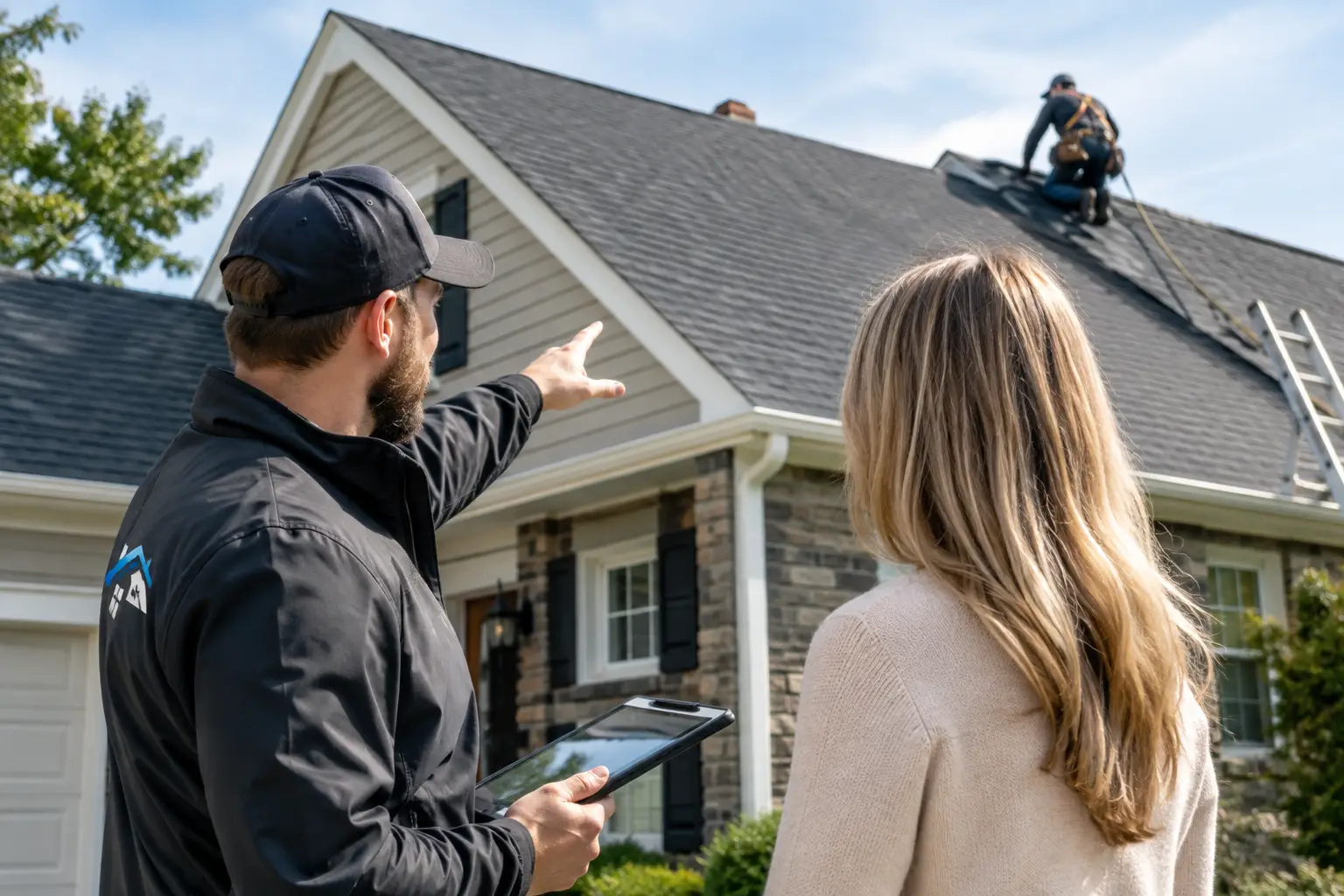
A careful estimate begins with an inspection, not a guess from the street. The contractor evaluates the visible condition of the roofing system, looks for signs of water intrusion and wear, measures the roof, and considers the details that affect labor and materials. The result should be a clear scope of work that connects the condition of your roof to a practical solution.
How Roof Estimates Work From Inspection to Proposal
Every roof is different, even when two homes appear similar from the curb. Roof size matters, but so do the roof’s pitch, number of layers, valleys, chimneys, skylights, ventilation, flashing, access points, and the condition of the underlying structure.
During an inspection, a roofing professional may look for missing, cracked, curled, or loose shingles; exposed nail heads; damaged flashing; soft areas; deteriorated pipe boots; granule loss; and signs of moisture around roof penetrations. Inside the property, water stains, attic moisture, mold-like odors, or daylight visible through the roof deck can provide additional clues about the source of a problem.
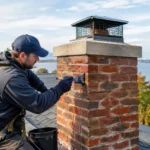
For a repair, the estimate should identify the affected area and explain the likely cause of the issue. A leak near a chimney, for example, may involve flashing, masonry joints, nearby shingles, or more than one condition. Applying a surface patch without identifying the true entry point may provide only temporary relief.
For a full replacement, the contractor typically measures the roof area and evaluates the complete roofing system. That system includes more than field shingles. It can include underlayment, ice and water protection where needed, starter materials, ridge components, ventilation, flashing, fasteners, and disposal of removed materials.
What a Detailed Roof Estimate Should Include
A professional estimate should be specific enough that you understand the work without needing to interpret vague phrases. It does not need to read like an engineering report, but it should clearly describe what is included and what is not.
Scope of roofing work
The scope should state whether the project is a targeted repair, partial replacement, complete tear-off and replacement, or work involving another exterior component. It should identify the roofing material being installed or repaired and describe the main system components that will be addressed.
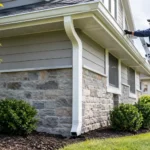
For replacement work, look for information about removing existing roofing materials, preparing the roof deck, installing underlayment and new roofing materials, addressing flashings, and completing ridge or ventilation details where applicable. If gutters, siding, chimney flashing, or masonry conditions affect the roof work, the estimate should explain how those items are being handled.
Materials and workmanship tasks
Materials should be described in practical terms, including the type of roofing material and related accessories included in the project. Specific product selections may be finalized before scheduling, but the proposal should not leave you guessing whether essential materials are part of the work.
The estimate should also explain the labor involved. This may include tear-off, installation, flashing work, minor deck preparation, site protection, cleanup, and debris removal. For larger properties or commercial roofs, the scope may also address staging, access, work areas, and steps intended to minimize disruption.
Property protection and cleanup
Roofing is major exterior work, and a good proposal recognizes that your property needs protection during the project. Ask how the work area will be managed, how landscaping and exterior surfaces will be treated with care, and how debris will be removed.
Cleanup should be part of the expected project process, not an afterthought. Roofing crews generate old shingles, nails, packaging, and other debris. Your estimate should establish that final cleanup and removal are included in the planned work.
Assumptions and conditions
Some conditions cannot be confirmed until existing roofing materials are removed. A contractor can identify warning signs during the inspection, but hidden deck deterioration, concealed moisture damage, or problems around flashing may only become visible once the roof is opened.
A transparent estimate explains this possibility rather than pretending it does not exist. If additional repairs become necessary, you should expect clear communication about the condition found, the recommended correction, and how it affects the scope before work proceeds beyond the original agreement.
Why Two Roof Estimates May Look Different
It is tempting to compare estimates by the bottom-line figure alone. That approach can miss meaningful differences in materials, preparation, and the completeness of the work. Two proposals may describe the same project in very different levels of detail.
One estimate may include removal of existing roofing, new underlayment, flashing work, ventilation improvements, cleanup, and disposal. Another may use broad language that does not clarify which components are included. Neither a shorter proposal nor a lower figure automatically means the contractor is unqualified, but unclear scopes make it harder to know what you are actually comparing.
The roof design can also change the workload. A simple, low-slope roof with easy access is not the same as a steep roof with multiple valleys, dormers, chimneys, and tight access around the property. Complex details take more time because they require careful cutting, sealing, and flashing to direct water away from vulnerable areas.
Material choices matter as well. Roofing systems use several components that must work together. The best option depends on the roof type, building design, existing conditions, and the property owner’s priorities. For example, a flat or low-slope commercial roof requires a different evaluation than an asphalt-shingle roof on a single-family home.
Questions to Ask Before You Approve a Roofing Estimate
The right questions can turn an estimate into a clear project plan. Ask the contractor what condition is causing the concern, whether the work is intended as a repair or a full replacement, and why that recommendation fits the roof’s current condition.
You should also ask what is included in the scope, how flashing and roof penetrations will be handled, whether damaged decking will be evaluated during the work, and how the property will be protected and cleaned. For an active leak, ask whether the source has been identified or whether the estimate addresses the most likely causes based on the inspection.
It is also reasonable to ask about the anticipated project sequence. Knowing when materials are expected, how the work area will be organized, and what communication to expect helps property owners plan around the project. For occupied multifamily and commercial properties, scheduling and access coordination can be just as important as the roofing scope itself.
A Roof Estimate Is Not Just a Price Sheet
A detailed estimate is a planning document. It helps establish expectations before materials arrive and before any existing roofing is removed. It should give you a workable picture of the condition observed, the work recommended, the materials involved, and the possible issues that may require discussion if hidden damage is discovered.
At Top Pros Construction, the goal of an inspection and estimate is to identify the source of the exterior problem and recommend work that protects the property for the long term. That may mean a focused repair when the damage is localized, or a complete roofing system replacement when widespread wear makes repeated repairs less practical.
For homeowners and property managers in New Jersey and Staten Island, a clear estimate is especially valuable after heavy rain, wind, or winter weather. Water can travel beneath roofing materials before it appears inside, so the visible ceiling stain is not always directly below the source. A thorough inspection helps connect the symptoms you see with the roof conditions that need attention.
Before approving any roofing work, take time to read the scope line by line and ask for clarification where wording is unclear. The right estimate should leave you with a practical understanding of the work ahead and confidence that the solution addresses the roof, not just the visible symptom.