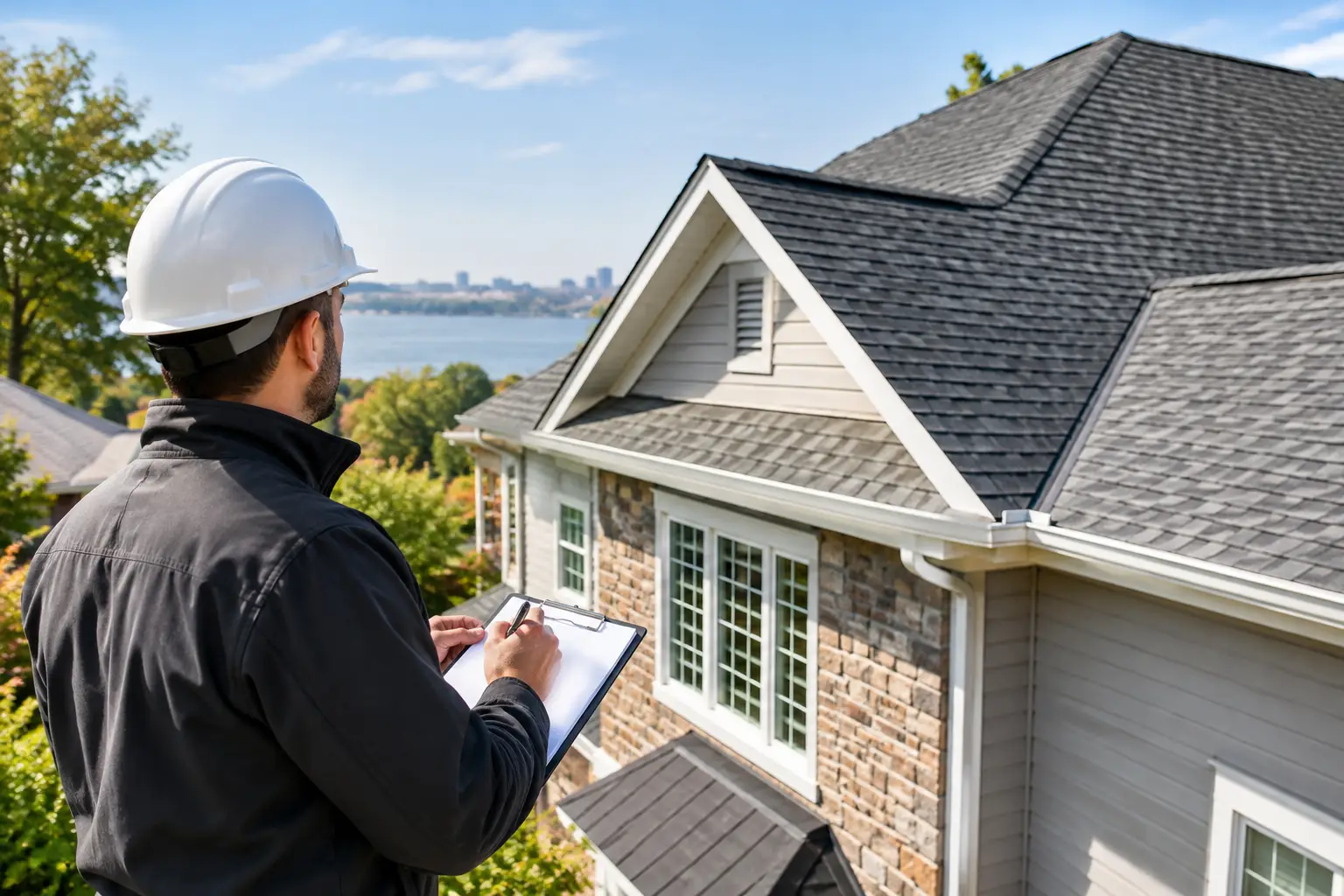
Roof Replacement Signs, Choices and Timing
A roof rarely fails all at once. More often, homeowners notice a water stain after a heavy rain, shingles collecting near the downspout, or a roof that simply looks worn compared with neighboring homes. Roof replacement may be the right answer, but it should follow a careful assessment of the roofing system, not a guess based on one visible issue.
For property owners in New Jersey and Staten Island, weather exposure is a real consideration. Wind, snow, summer heat, ice, clogged gutters, and aging flashing can all affect how long a roof performs. The goal is not to replace a roof before it is necessary. It is to address deterioration before small openings turn into damaged decking, wet insulation, interior repairs, or recurring leaks.
When Roof Replacement Makes More Sense Than Repair
A repair is often appropriate when damage is isolated. A few missing shingles, a failed pipe boot, loose flashing around a chimney, or a small leak near a roof transition can sometimes be corrected without replacing the full roof. The condition of the surrounding materials matters. If the rest of the roof is sound and has meaningful service life left, a targeted repair may be the practical choice.
Replacement becomes more likely when issues are widespread or repeat. Shingles that are curling, cracking, losing a large amount of granules, or lifting across several roof slopes may no longer provide dependable protection. Multiple leak locations, soft spots in the roof deck, and repeated repairs over a short period also deserve a closer look.
Roof age is useful context, but it is not a diagnosis. Two roofs installed in the same year can age differently because of ventilation, tree coverage, slope, installation quality, storm exposure, and maintenance. A professional inspection helps separate a limited repair need from a roof nearing the end of its useful life.
Warning Signs You Can See From the Ground
You do not need to climb onto a roof to notice many concerns. Look for shingles that appear uneven, dark streaking combined with visible wear, bare patches where granules have worn away, or pieces of shingles around the property. Check the attic for water marks, damp insulation, daylight near roof penetrations, or a musty odor after rain.
Inside the home, ceiling stains and peeling paint can point to a roof leak, but they can also be related to plumbing, condensation, or another source. The location of a stain does not always match the entry point because water can travel along framing before becoming visible. That is why a roof inspection should evaluate the entire affected area, including flashing, valleys, vents, and nearby exterior features.
What a Roof Replacement Inspection Should Cover
A useful inspection looks beyond the shingle surface. We evaluate visible roofing materials, roof edges, valleys, penetrations, and the metal flashing that directs water away from vulnerable joints. We also consider the condition of the decking where accessible, attic ventilation, and signs that water may be coming from a chimney, gutter, siding connection, or masonry wall.
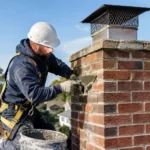
Flashing deserves special attention. It is the metal material installed where the roof meets a chimney, wall, skylight, or vent. Even a newer roof can leak if flashing is damaged, poorly integrated, or affected by movement in nearby masonry. Chimney crown cracks, deteriorated mortar joints, and loose counterflashing can create symptoms that resemble a roofing problem.
Gutters and downspouts are part of the conversation, too. A gutter that overflows or pulls away from the fascia can keep water against roof edges and exterior trim. During a planned replacement, it may make sense to assess whether gutter repair, gutter replacement, or improved downspout drainage would protect the new roof more effectively.
Choosing Materials for a New Roof
Asphalt shingles remain a common choice for many homes because they offer a familiar appearance and work well on a range of roof designs. Within asphalt roofing, homeowners can compare color, profile, wind resistance ratings, and architectural styles. The best selection depends on the roof’s shape, the home’s exterior, local exposure, and your long-term plans for the property.
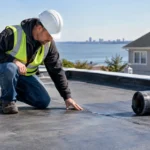
A low-slope or flat roof requires a different approach than a steep-slope shingle roof. Flat roofing systems rely on carefully installed membranes, seams, drainage details, and edge protection. Standing water, blistering, open seams, and ponding near drains should be evaluated rather than covered over. For commercial properties and multifamily buildings, the roof plan may also need to account for access points, HVAC equipment, drains, and occupant coordination.
Ventilation should not be treated as an afterthought. A balanced system helps move excessive heat and moisture out of the attic. Poor ventilation can contribute to uncomfortable upper floors, moisture concerns, and premature material wear. The right solution depends on the roof design and existing intake and exhaust openings, so it should be evaluated as part of the replacement scope.
The Roof Replacement Process, Without the Surprises
A clear scope of work helps you understand what is being replaced and why. Before work begins, ask how the crew will protect landscaping, driveways, siding, windows, and outdoor areas. Roof work creates debris, and responsible cleanup and magnetic nail collection are important parts of completing the project with respect for your property.
The existing roofing material is typically removed so the deck can be inspected. This step matters because damaged or deteriorated decking cannot provide a reliable base for new roofing. If hidden conditions are discovered after removal, they should be explained clearly, along with the recommended correction and its effect on the scope.
The new system is installed in layers. Depending on the roof design, this may include underlayment, ice and water protection in vulnerable areas, drip edge, flashing, ventilation components, and the finished roofing material. These details are not cosmetic. They control how water moves off the roof and away from the building.
Scheduling depends on roof size, complexity, weather, material availability, and the condition found beneath the old roof. For landlords and property managers, communication also matters: residents may need notice about noise, parking, access, and temporary restrictions around the work area.
What Affects Roof Replacement Cost
A quote for roof replacement should reflect more than the visible square footage. A simple, walkable roof with few penetrations is different from a steep roof with multiple valleys, dormers, skylights, chimneys, and layered old materials. Material choice, decking repairs, ventilation improvements, flashing work, disposal, and access to the property can all affect the final scope.
It is reasonable to ask questions about what is included. Find out whether the estimate identifies the roofing material, underlayment, flashing areas, ventilation work, cleanup, and any items that may require further evaluation once old materials are removed. A detailed estimate makes it easier to compare scope, not just a bottom-line number.
Avoid making a decision solely on the lowest price. A roof is a water-management system, and skipped preparation or poorly handled flashing can create problems that cost more later. The better question is whether the proposed work addresses the actual condition of your roof and its connected exterior components.
Protecting a New Roof After Installation
Routine attention can help you catch problems early. Keep gutters and downspouts clear so water can drain properly, especially after leaf drop and storms. Watch for tree limbs rubbing against shingles, and have overhanging branches managed safely by the appropriate professional. After severe weather, check the ground for debris and look for obvious changes from a safe distance.
Do not ignore issues around siding, masonry, or the chimney. Cracked mortar, open joints where siding meets roofing, and damaged chimney flashing can allow water into areas that affect the roof structure. Coordinating exterior repairs can prevent one unresolved component from undermining another.
If you are seeing leaks, shingle damage, or signs of an aging roof, Top Pros Construction LLC can help you understand whether repair or replacement is the more sensible next step. Arrange an inspection or request an estimate to discuss the condition of your roof and the exterior details that help keep your property protected.