
8 Clear Signs Your Siding Needs Replacement
A loose panel after a windy night is easy to notice. The more consequential damage is often quieter: moisture getting behind aging siding, small cracks widening through a New Jersey winter, or faded sections that no longer protect the wall beneath them. Knowing the signs your siding needs replacement helps you address those problems before they affect insulation, framing, or interior finishes.
Siding is more than the exterior finish of your home. It is part of a layered system that sheds rain, handles changing temperatures, and protects the materials behind it. Not every flaw means the entire exterior must be replaced, but patterns of damage deserve a closer look.
1. Cracks, Holes, or Broken Panels Keep Appearing
One small crack can sometimes be repaired, especially if the surrounding siding is sound and a matching material is available. But several cracks, holes, or split panels across different walls may point to a siding system that has become brittle or is nearing the end of its useful life.
Damage can occur after windblown debris, impact, repeated temperature changes, or accidental contact from lawn equipment. Openings in siding give rain, insects, and cold air a path toward the wall assembly. If panels are breaking in more than one location, replacing isolated pieces may only postpone a larger project.
2. Warped, Buckled, or Loose Siding
Siding should lie relatively flat and remain securely attached. Panels that ripple, bow outward, pull away at corners, or appear wavy may have been affected by moisture, heat, improper installation, or movement in the structure behind them.
Vinyl siding expands and contracts with temperature changes, so a slight amount of movement is normal. Persistent buckling is not. A professional inspection can help determine whether the issue is limited to the siding itself or whether there is moisture damage, missing fastening support, or another condition behind it.
3. Rot, Soft Areas, or Peeling Paint on Wood Trim
Wood siding and trim require prompt attention when they feel soft, show dark staining, flake apart, or repeatedly lose paint. Peeling paint alone can have several causes, including poor surface preparation or trapped moisture. When it appears alongside soft wood, cracked caulk, or staining, water exposure becomes a more likely concern.
Probe-free visual checks are safest for homeowners. Look closely around windows, doors, corners, rooflines, and the bottom edge of exterior walls, where water is most likely to collect. Avoid prying at siding or climbing ladders to inspect upper stories. Those areas can be assessed safely during a professional exterior inspection.
4. Fading Is Paired With Dryness or Surface Deterioration
Some fading is expected as siding ages in sunlight. By itself, color change is often a cosmetic concern. It becomes more meaningful when the surface looks chalky, brittle, uneven, or difficult to clean, or when it exposes a sharp contrast under shutters and trim.
A fresh color can improve curb appeal, but replacement may be the more practical choice if the material itself is breaking down. For homeowners planning a long-term exterior update, new siding also offers an opportunity to coordinate trim, soffits, gutters, and roof color rather than making piecemeal changes over several years.
5. You See Moisture Stains, Mold, or Mildew in Repeating Areas
A green or dark film on shaded siding may simply be surface mildew caused by moisture and limited sun. Repeated staining in the same location, however, can reveal a drainage problem. Overflowing gutters, leaking downspouts, damaged flashing, or roof runoff that strikes the wall can all contribute.
The key is to correct the source, not just clean the siding. If a gutter is clogged or pitched incorrectly, water may spill down the exterior wall during heavy rain. If roof flashing is allowing water behind a wall or around a chimney, siding repair alone may not solve the problem. At Top Pros Construction LLC, we evaluate exterior conditions as connected systems so the proposed work addresses the likely path of water.
6. Higher Energy Bills Come With Drafts or Uneven Rooms
Siding is not the only reason a home feels drafty. Attic insulation, windows, doors, roof ventilation, and gaps around penetrations can all affect comfort. Still, siding damage and failed exterior trim can allow air and moisture to reach the wall cavity.
Pay attention to rooms that are consistently colder in winter or warmer in summer, particularly near exterior walls. Look for gaps around siding transitions, loose panels, and deteriorated sealant around window and door trim. An inspection can help separate a siding-related issue from other possible causes before you decide on repairs or replacement.
7. Interior Wall Clues Are Showing Up
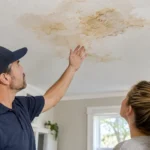
Paint that bubbles on an exterior-facing wall, a persistent musty odor, discolored drywall, or stains near a window can indicate moisture intrusion. These symptoms do not automatically confirm failed siding. A roof leak, window issue, plumbing leak, masonry crack, or condensation problem may be involved.
Because the source is not always visible from indoors, it is wise to arrange an assessment rather than covering the stain and hoping it does not return. If water is active, prompt attention can limit further damage. A contractor should inspect the siding, roof edges, gutters, flashing, windows, and nearby masonry as needed to identify the condition accurately.
8. Repairs Are Becoming Frequent or Hard to Match
The most practical sign that replacement is approaching is a history of recurring repairs. You may have replaced a few panels after a storm, recaulked the same joints several times, or noticed that new pieces do not match the weathered color and profile of existing siding.
Repair remains a sensible option when damage is localized, the surrounding material is in good condition, and the original siding can be matched closely enough. Replacement is worth considering when repairs are widespread, the material is aged throughout, or moisture has affected underlying components. The decision depends on the condition of the full wall, not just the most visible damaged section.
When to Schedule a Siding Inspection
You do not need to wait for a major leak to have siding evaluated. An inspection is particularly helpful after severe wind, following a roof or gutter issue, before painting old wood siding, or when you are planning to sell, buy, or improve a property.
For homes in New Jersey and Staten Island, seasonal weather can be demanding on exterior materials. Rain, wind, freeze-thaw cycles, and summer heat all place stress on siding seams and trim. A careful assessment should include visible panels, corner posts, trim, caulked transitions, areas around windows and doors, lower wall sections, and the connection between siding, roofing, and gutters.
What Replacement Planning Should Include
A siding replacement project is not only about selecting a color. Material type, wall preparation, trim details, moisture management, and the condition of nearby exterior features all matter. Vinyl siding is a popular choice for its low-maintenance finish, while other materials may better suit a particular home style or design goal.
Before work begins, ask for a clear scope that explains what will be removed, how damaged underlying areas will be handled if found, which trim components are included, and how the property will be protected and cleaned up. If gutters, roof flashing, chimney masonry, or window trim need attention, coordinating the work can prevent new siding from being installed around an unresolved water issue.
If you have noticed cracking, loose panels, stains, or repeated repairs, a professional review can give you a clearer path forward. Our team can help you understand whether targeted siding repair is appropriate or whether replacement would provide the better long-term solution for your property.