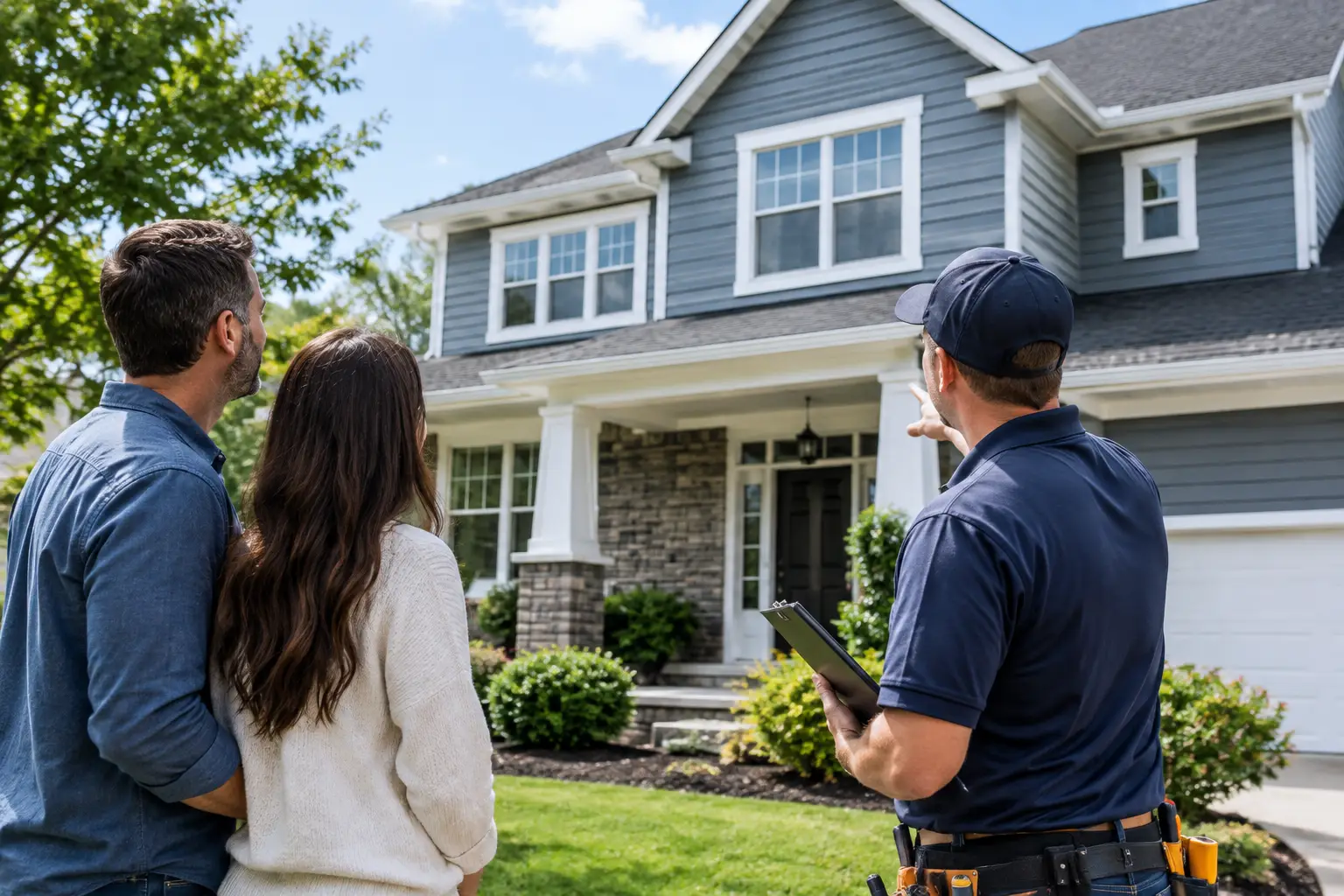
Exterior Upgrades Increase Home Value at Resale
A buyer may never see the age of your electrical panel or the condition of a basement utility room. They will see a worn roofline, stained siding, sagging gutters, or cracked chimney masonry before they reach the front door. Those first impressions influence how buyers view the entire property, including what they expect to spend after closing.
Exterior upgrades increase home value when they improve curb appeal and address the risks buyers, inspectors, and appraisers can readily identify. The most valuable projects are not always the flashiest. A sound roof, working drainage system, well-maintained siding, and stable masonry tell a more persuasive story: the home has been protected.
Why Exterior Condition Carries So Much Weight
Exterior work affects both appearance and performance. A new roof can improve the look of a home, but its greater value may be the confidence it gives a buyer that the property is less likely to have active leaks or water-related damage. The same principle applies to siding, gutters, chimneys, and masonry.
When exterior components are visibly aging or damaged, buyers often assume the problem could be larger than it looks. Missing shingles can raise concerns about moisture intrusion. Overflowing gutters may suggest foundation drainage issues. Cracked brick or deteriorated mortar can make a chimney appear unsafe or neglected. Even if the interior is updated, these conditions can lead buyers to lower their offer, request repairs, or move on to another property.
For owners planning to stay in their homes, the value is broader than resale. Timely exterior improvements help prevent small defects from becoming more expensive repairs. That can protect the property, reduce disruption, and preserve its marketability for the future.
Which Exterior Upgrades Increase Home Value Most?
The right project depends on the property’s condition, age, style, and local market. In many New Jersey and Staten Island neighborhoods, seasonal rain, snow, wind, and freeze-thaw cycles place real stress on exterior materials. Prioritizing protection first is usually a better investment than making cosmetic improvements while a known leak or drainage problem remains unresolved.
Roof replacement or targeted roof repair
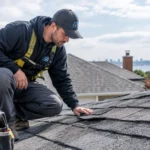
The roof is one of the most influential exterior features because it protects nearly every part of the structure below it. A roof near the end of its service life can become a major concern during a sale, particularly if it has visible shingle damage, recurring leaks, damaged flashing, or signs of poor ventilation.
Replacement can strengthen curb appeal and buyer confidence when the roof is genuinely worn out. However, replacement is not automatically the best answer for every home. If the roof is in generally good condition and the issue is isolated, a professional repair may be the more practical choice. Correctly identifying the source of a leak or visible damage matters more than recommending work that exceeds what the roof needs.
A documented inspection and a clear scope of work can also help owners understand whether they are addressing a current issue or planning ahead for an eventual replacement.
Siding that protects and refreshes the home
Siding has a large visual footprint, so fading, cracking, warping, loose panels, or rotted trim can make an otherwise well-kept home look older than it is. New or properly repaired siding can create a cleaner, more consistent exterior while helping protect wall assemblies from wind-driven rain and moisture.
The return depends on the material, the quality of installation, and how well the choice fits the house. A finish that complements the home’s architecture is generally more appealing than a trend-driven color that may quickly feel dated. It is also wise to look beyond the visible surface. If there are signs of water damage around windows, trim, or wall penetrations, those conditions should be investigated before new siding is installed.
Gutters and drainage improvements
Gutters are easy to overlook because they are not usually a headline feature. But they are essential to protecting the roof edge, fascia, siding, landscaping, and foundation area. When water spills over clogged, undersized, loose, or poorly pitched gutters, it can stain surfaces and direct moisture where it does not belong.
A functional gutter system contributes to value by showing that the home manages water responsibly. For a buyer, clean roof drainage can be reassuring because it reduces questions about runoff, ice buildup, wood deterioration, and moisture near the foundation.
The best solution varies by roof design and drainage pattern. A contractor should evaluate the existing gutters, downspouts, roof valleys, and discharge locations rather than treating every overflow issue as a simple replacement job.
Chimney repair and masonry restoration
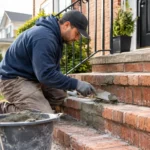
Brick, stone, and mortar add character, but masonry requires maintenance. Mortar joints can deteriorate over time, chimney crowns can crack, and masonry surfaces may allow water into the structure when repairs are delayed. These problems often become more apparent after repeated freezing and thawing.
Repointing damaged mortar, repairing chimney components, and addressing loose or cracked masonry can improve appearance while protecting structural integrity. For a buyer, well-maintained masonry helps remove a visible question mark from the property. For an owner, it can help limit water intrusion that may affect interior finishes, framing, or adjacent roofing materials.
Masonry repairs should be approached carefully. The right repair method and materials need to suit the existing structure, rather than simply covering cracks that could return.
Curb Appeal Matters, but Deferred Maintenance Matters More
Fresh exterior details can make a home feel more inviting. Updated trim, repaired steps, clean siding, and a straight roofline all support a positive first impression. Still, visual improvements do not carry much weight if buyers spot obvious maintenance issues nearby.
For example, painting around damaged wood may improve appearance briefly, but it does not solve the moisture condition causing the damage. Replacing a few shingles without investigating a recurring leak can leave the underlying issue in place. Exterior upgrades should improve the property in a way that holds up to an inspection, not just a driveway photo.
This is where professional evaluation is useful. An experienced exterior contractor can help distinguish between normal wear, isolated repair needs, and conditions that call for replacement. That information allows owners to plan a project based on the home’s actual needs and their timeline.
How to Prioritize Exterior Work Before Selling
If a sale may happen within the next few years, begin with a realistic assessment of the exterior. Look for active leaks, missing or damaged roofing materials, deteriorated flashing, loose gutters, water stains, cracked mortar, chimney damage, and siding that is compromised or visibly worn.
Address active water entry and safety-related concerns first. Next, focus on elements that are near the end of their useful life or likely to be questioned by buyers. Finally, consider appearance-focused improvements that help the home present well once the protective systems are in good condition.
Keep records of inspections, repairs, replacements, and material information. Buyers may not need every detail, but organized documentation demonstrates responsible ownership and can make conversations during due diligence more straightforward.
Avoid making decisions based solely on a broad claim about return on investment. A major exterior project may be worthwhile because it protects the home and makes a sale easier, even if it does not return every dollar immediately. In another case, a targeted repair may be the smarter move because the existing system still has substantial useful life.
Plan for Long-Term Protection, Not Just the Listing Date
The strongest exterior improvements do more than make a property look ready for the market. They manage water, prevent deterioration, and reduce the uncertainty that can follow a home inspection. Whether you are preparing to sell or protecting a property you intend to keep, start with an honest assessment of its roof, siding, gutters, chimney, and masonry. A clear inspection and detailed estimate can turn visible concerns into a practical plan for protecting your home’s value.