10 Roof Replacement Warning Signs to Watch
A roof rarely fails all at once. More often, small changes begin to show up around the home: a stain on the ceiling after heavy rain, shingles collecting near a downspout, or a roofline that no longer looks straight. Knowing the roof replacement warning signs can help you address a developing problem before water reaches framing, insulation, walls, or interior finishes.
A visible symptom does not automatically mean you need a new roof. A targeted repair may be the practical choice when damage is isolated and the surrounding roofing is still in good condition. The difference comes down to the roof’s age, the extent of the issue, the condition of the underlying structure, and whether repairs are likely to hold up over time.
Roof Replacement Warning Signs Homeowners Should Not Ignore
1. Shingles are curling, cracking, or losing their surface granules
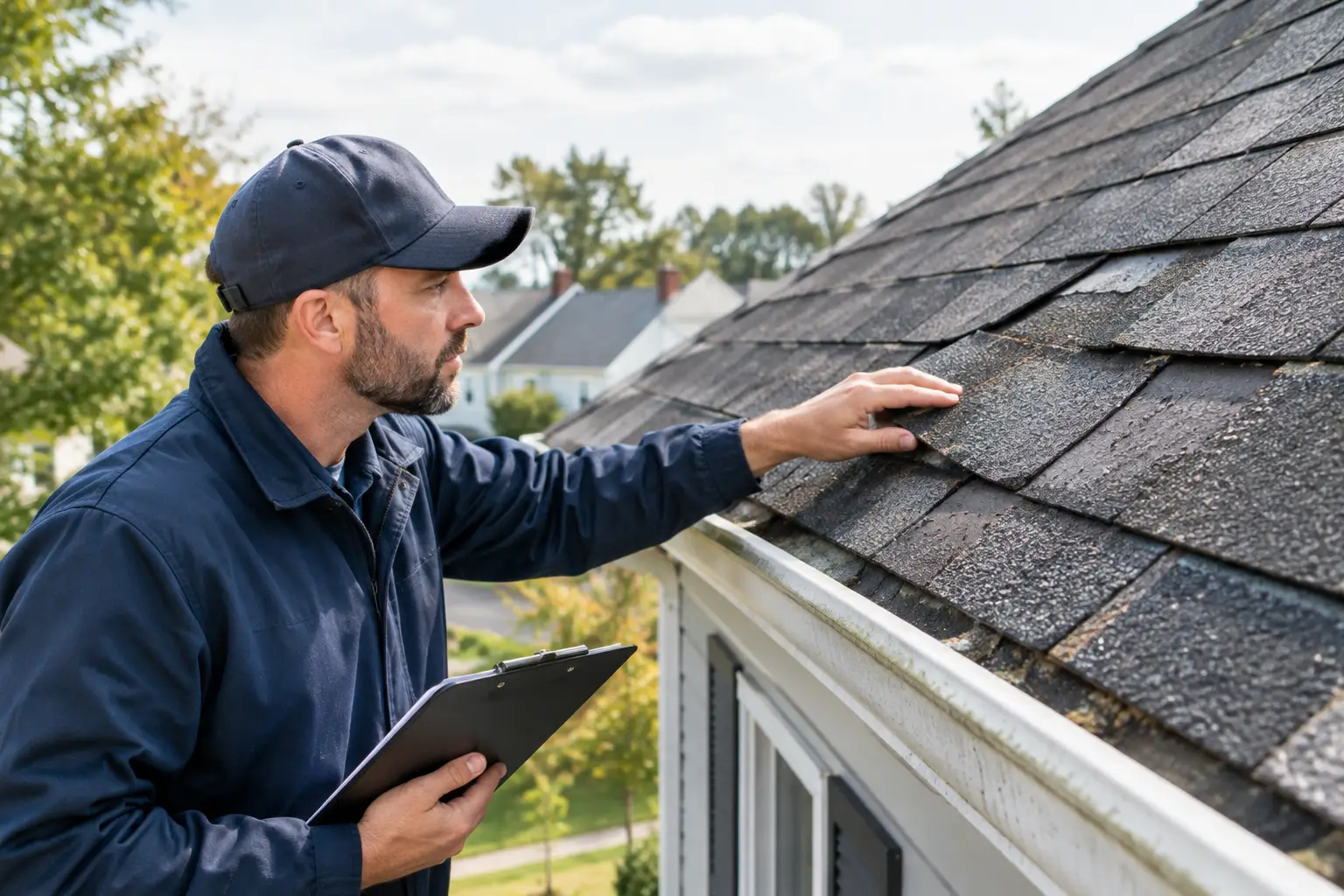
Asphalt shingles are designed to shed water, but they become less effective as they age. Curling corners, cracks, bald patches, and a rough or worn appearance can indicate that shingles are nearing the end of their useful life.
Granules are the sand-like coating on asphalt shingles. They help protect the roof from sunlight and weather. A small amount of granule loss can be normal, particularly after a new roof is installed, but repeated buildup in gutters or at the base of downspouts deserves attention. When large areas of shingles look bare or uneven, a repair may not blend well or provide a long-lasting result.
2. Missing, loose, or damaged shingles keep reappearing
A few missing shingles after a storm can sometimes be replaced. If shingles are coming loose in multiple areas, however, the problem may involve widespread wear, aging seal strips, poor fastening, or wind damage beyond one small section.
This is especially worth checking after severe weather in New Jersey or Staten Island. Do not assume the visible missing shingle is the only issue. Wind can lift surrounding shingles without tearing them completely away, leaving openings where rain can travel beneath the roofing surface.
3. You see water stains, dripping, or damp attic materials
A brown ceiling stain, peeling paint near the ceiling, or active dripping during rain should be taken seriously. The source may be the roof, but it could also involve flashing, a chimney, a vent pipe, siding, or an overflow problem from clogged gutters. The location of the interior stain does not always match the location of the exterior opening.
An attic inspection can provide useful clues. Damp insulation, darkened roof decking, musty odors, or visible daylight are signs that water or outside air may be getting through the roof assembly. Avoid walking on insulation or attempting roof work yourself. A professional inspection can identify the path of water and determine whether repair or replacement is appropriate.
4. The roof deck feels soft or the roofline sags
A straight, even roofline is a good sign. A dip, wave, or sag can point to weakened roof decking or structural concerns beneath the shingles. Long-term moisture exposure is one possible cause, but it is not the only one. Snow load, aging materials, ventilation conditions, and previous work can also affect how a roof looks.
This is not a wait-and-see issue. A sagging area should be evaluated promptly because covering it with new shingles without addressing the cause may only hide the problem temporarily.
5. Leaks return after more than one repair
Roof repairs have an important place, particularly for a damaged pipe boot, loose flashing, a small puncture, or limited storm damage. But recurring leaks in different areas can suggest a roof system that has reached the point where patching is no longer the best investment.
The key question is not simply whether a leak can be stopped today. It is whether the rest of the roof is likely to create another problem soon. If repairs are becoming frequent, a replacement may offer a clearer path to protecting the property and planning expenses.
6. Flashing around chimneys, walls, and vents is deteriorating
Flashing is the metal material installed where roofing meets a chimney, wall, skylight, or vent. These transition areas handle a great deal of water, and they are common leak locations. Rust, lifted edges, cracked sealant, or loose sections should be inspected.
Flashing trouble does not always require a full roof replacement. On a newer roof, it may be possible to repair or replace the affected flashing. On an older roof with worn shingles and multiple vulnerable transitions, replacing the roof and addressing chimney or masonry details together can prevent mismatched repairs and repeated disruptions.
7. Moss, algae, or vegetation is taking hold
Dark algae streaks are often a cosmetic issue, while moss can hold moisture against the roof surface. Moss growth is more concerning when shingles are already aging, shaded, or losing granules. It can also make a roof harder to inspect because it conceals the condition beneath.
Avoid aggressive scraping or pressure washing, which can damage shingles and force water where it does not belong. A roofing professional can assess whether cleaning is reasonable or whether the growth is exposing a broader maintenance or replacement need.
8. Gutters overflow or roof edges show signs of water damage
Gutters do more than keep water off walkways. They direct runoff away from fascia boards, siding, masonry, and the foundation. When gutters clog, pull away from the home, or overflow regularly, water can back up along the roof edge and damage wood components.
Look for peeling paint, softened fascia, rusted gutter sections, or water marks on exterior walls. These may be gutter problems, roofing problems, or both. Coordinating roof and gutter work can be helpful when the roof edge, drip edge, fascia, or drainage system needs attention at the same time.
9. Your roof is near the end of its expected service life
Age alone does not determine whether a roof must be replaced. Installation quality, ventilation, weather exposure, maintenance, and material type all matter. Still, an older asphalt shingle roof with multiple signs of wear deserves a closer look, even if it has not produced an obvious leak yet.
If you recently bought the property and do not know the roof’s history, an inspection can establish a practical baseline. That is useful for homeowners as well as landlords and property managers who need to prioritize exterior maintenance across several units or buildings.
10. A storm left visible exterior damage
After high winds, hail, or falling branches, check from the ground for missing shingles, debris, dented gutters, damaged siding, displaced flashing, and broken chimney components. If water is entering the property, move belongings away from the affected area if it is safe to do so and arrange for professional help.
Storm damage can be isolated, but it can also affect several exterior systems at once. A careful assessment should look beyond the roof surface to include gutters, siding, masonry joints, and chimney flashing. Addressing only the most obvious damage can leave another water entry point unresolved.
Repair or Replacement: How We Help You Decide
A good recommendation should match the actual condition of the property, not a one-size-fits-all answer. Roof repair is often sensible when damage is confined, matching materials are available, and the surrounding roof remains sound. Replacement becomes more reasonable when shingles are broadly worn, leaks recur, decking is compromised, or multiple repairs would offer only short-term relief.
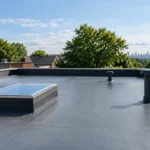
Material and scope also affect the decision. A sloped asphalt shingle roof is evaluated differently from a low-slope or commercial flat roof. Chimney repointing, crown repair, new gutters, or siding repairs may be part of the conversation when those components are contributing to water problems or need coordinated work.
At Top Pros Construction LLC, we believe property owners deserve a clear explanation of what we see, what may be causing the issue, and which options fit the condition of the building. For a planned replacement, we can discuss practical material choices, access needs, cleanup expectations, and the exterior details that should be addressed during the project.
What to Do Before the Problem Gets Worse
If you notice a possible warning sign, take a few clear photos from the ground and note when it occurs. Does the stain appear only during wind-driven rain? Does an overflow happen at one gutter section? Has a repaired leak returned? Those details can help narrow the inspection.
Keep gutters clear when it is safe to do so from the ground, and trim branches that contact the roof. Do not climb onto a roof, pull on loose shingles, or apply temporary coatings without understanding the source of the issue. These steps can create additional damage or make a professional evaluation harder.
If your roof is showing several of these warning signs, arrange an inspection before the next major storm turns a manageable concern into interior damage. We can assess the roof and related exterior components, explain the findings in plain language, and help you choose a repair or replacement plan that makes sense for your property.