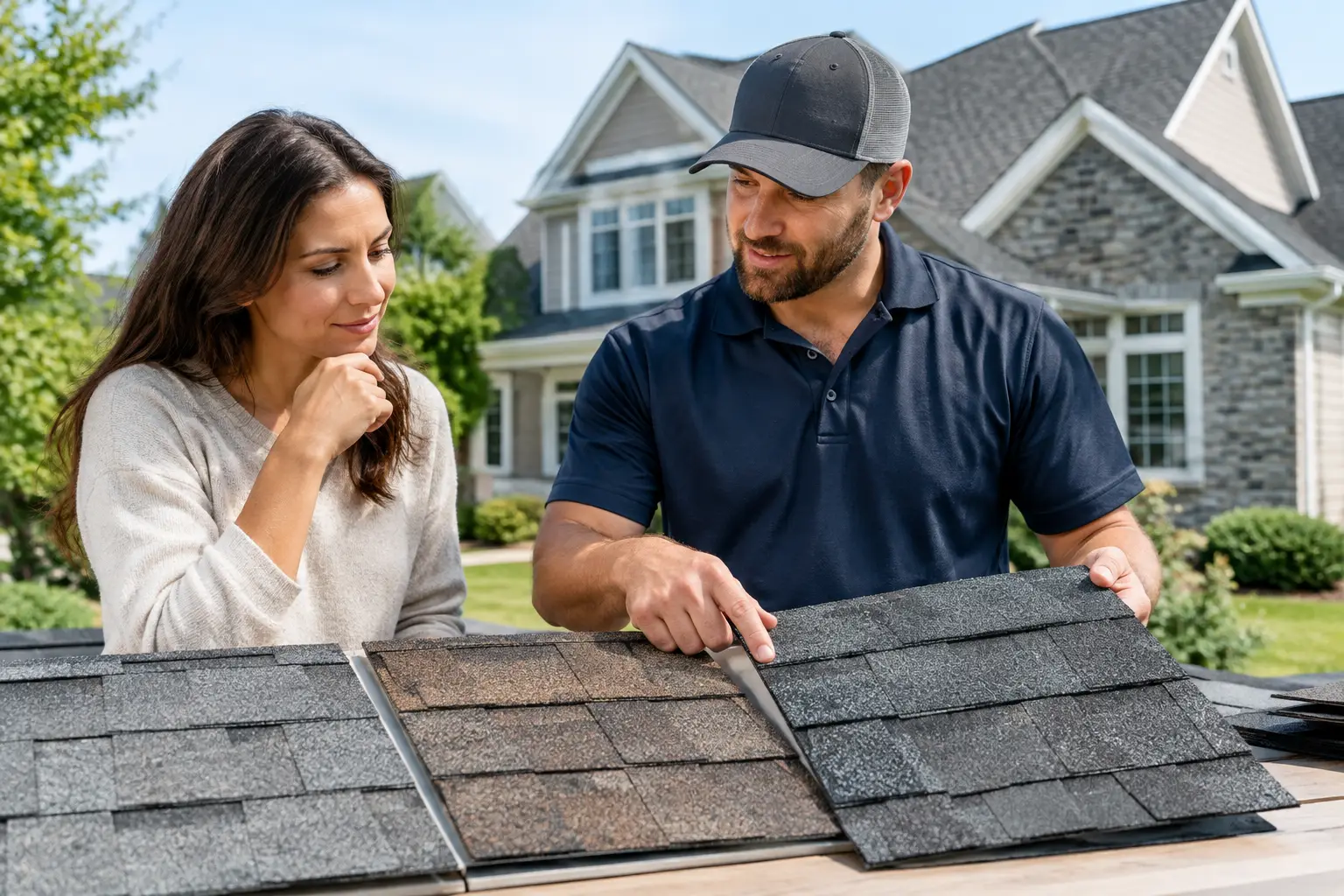
Asphalt Shingles Comparison for New Jersey Homes
A roof can look generally fine from the driveway while still be near the end of its useful service life. Curling edges, repeated leak repairs, missing tabs after wind, or shingle granules collecting near downspouts all deserve a closer look. This asphalt shingles comparison explains the practical differences among common shingle styles so you can choose a roof based on your property, budget, and long-term plans rather than appearance alone.
For homeowners in New Jersey and Staten Island, the right choice also depends on the roof’s slope, the condition of the decking beneath the shingles, attic ventilation, flashing details, and how water moves through the gutter system. A quality shingle is only one part of a dependable roofing system.
Asphalt Shingles Comparison: The Three Main Styles
Most residential asphalt shingle roofs use one of three categories: 3-tab shingles, architectural shingles, or luxury shingles. All are asphalt-based products commonly reinforced with fiberglass, but they differ in thickness, construction, visual depth, and material cost.
3-tab shingles: a simple, flat appearance
3-tab shingles have a single-layer profile with evenly spaced cutouts that create a repeating rectangular pattern. They are typically the most economical asphalt shingle option and can suit a straightforward roof replacement where a basic, uniform look is the goal.
The trade-off is that 3-tab shingles are thinner and offer less visual dimension than other options. Their lighter construction can make them a less appealing choice for some owners who expect to stay in the home for many years or want a more substantial look. Availability can also vary by manufacturer and color selection.
A 3-tab roof may still be appropriate for a rental property, a modestly sized roof, or a project where budget is the primary consideration. The decision should account for the whole scope, not just the shingle price. Replacing damaged roof decking, improving ventilation, or addressing flashing at a chimney may matter more than moving up one shingle category.
Architectural shingles: the common middle ground
Architectural shingles, also called dimensional or laminated shingles, are made with bonded layers that create texture and shadow lines. They resemble wood shakes more closely than 3-tab shingles and are the most common choice for many residential roof replacements.
For many properties, architectural shingles provide the best balance of appearance, material thickness, color options, and overall value. They work well on single-family homes, townhomes, and many multifamily buildings where owners want a roof that complements the property without moving into a premium design category.
Not every architectural shingle is identical. Product lines can differ in weight, color blends, available wind ratings, algae-resistance features, and manufacturer installation requirements. We help property owners compare the actual products under consideration instead of assuming every dimensional shingle performs the same way.
Luxury shingles: more detail and a heavier profile
Luxury shingles are designed for a more pronounced, high-end appearance. Their thicker, layered construction can imitate slate, cedar, or hand-cut shake patterns. They can be a strong visual fit for larger homes, historic-inspired architecture, or properties where the roof is highly visible from the street.
The added thickness and styling generally increase material and labor costs. A roof with many valleys, dormers, skylights, or steep sections may also require more detailed installation work. Luxury shingles are not automatically the right answer for every home. If the roof is mostly hidden, or if other exterior needs are more urgent, an architectural shingle may offer better practical value.
What Matters Beyond Shingle Style
A shingle comparison is useful, but it should not become a comparison of samples alone. Roofing materials perform as part of an assembly that includes underlayment, starter shingles, ridge components, flashing, ventilation, and drainage.
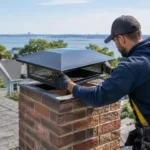
Flashing is the metal or other protective material installed where the roof meets a chimney, wall, valley, vent, or other transition. Leaks often begin at these intersections, even when the surrounding shingles appear intact. If water is entering near a chimney, the source could involve roof flashing, deteriorated chimney mortar, cracked masonry, or more than one condition. An inspection helps identify the actual source before repair work is recommended.
Ventilation matters as well. A poorly ventilated attic can trap heat and moisture, which may contribute to premature material wear or moisture concerns. The appropriate ventilation approach depends on the home’s existing design and attic conditions. It should be evaluated as part of the roof project, not added as a generic upgrade.
Gutters and downspouts also protect the roof edge, fascia, siding, and foundation area by directing water away from the building. Overflowing gutters can leave staining on siding and contribute to water problems around the property, but they do not necessarily mean the roof itself is leaking. We evaluate connected exterior conditions so repairs address the right issue.
Choosing for Your Property, Not Just the Sample Board
When comparing asphalt shingles, start with how long you plan to own the property and what the roof needs now. A homeowner preparing to sell may prioritize a clean, neutral architectural roof that improves curb appeal. An owner planning to remain in the home may place more value on a color and profile they will enjoy for years. A landlord or property manager may need a practical option that coordinates with tenant access, building maintenance, and budget planning.
Color deserves careful thought. Dark colors can create a bold, traditional appearance, while lighter or blended colors may better suit certain siding, brick, or stone. Look at samples outdoors rather than relying only on indoor lighting. The roof is a large visual surface, and its color can change how exterior masonry, vinyl siding, trim, and gutters appear.
Roof geometry affects the project too. A simple gable roof usually requires less cutting and detail work than a roof with multiple hips, valleys, chimneys, and dormers. Those areas are not problems by themselves, but they require careful installation because they manage concentrated water flow.
Repair or Replacement: How to Think Through the Decision
A few damaged shingles do not always mean you need a new roof. Localized repairs can make sense when the remaining roof is in good condition, the issue has a defined cause, and compatible materials are available. A leak around a vent pipe, for example, may be related to flashing rather than widespread shingle failure.
Replacement becomes more reasonable when repairs are recurring, shingles are broadly worn or brittle, storm damage is extensive, or the roof has reached a point where isolated repairs will not provide a dependable result. Underlying deck damage, persistent attic moisture, and widespread granule loss can also affect the recommendation, but those conditions should be confirmed during an inspection.
The same practical approach applies to connected exterior work. Loose siding can allow water behind the wall surface. Failing brick mortar can admit moisture around a chimney. Damaged exterior steps or masonry may create a separate safety concern. Coordinating roofing, siding, gutter, chimney, and masonry repairs can prevent one unresolved exterior issue from undermining another completed project.
Questions to Ask Before Selecting Shingles
Before approving a roof replacement, ask what shingle category is proposed, why it fits your roof, and which related components are included in the scope. You should understand whether the estimate addresses removal of existing materials, deck repairs if needed, underlayment, flashing work, ventilation considerations, ridge materials, cleanup, and disposal.
Also ask how the contractor will protect landscaping, access the property, and communicate if hidden conditions are found after old roofing is removed. Clear answers matter because no inspection can always reveal every condition beneath existing shingles. A detailed scope helps you understand what is included and how necessary changes will be handled.
Top Pros Construction LLC helps homeowners, landlords, and property managers assess roofing concerns with the full exterior in mind. If you are weighing 3-tab, architectural, or luxury shingles, or are unsure whether a repair is still practical, arrange an inspection to discuss the condition of your roof and the options that fit your property.