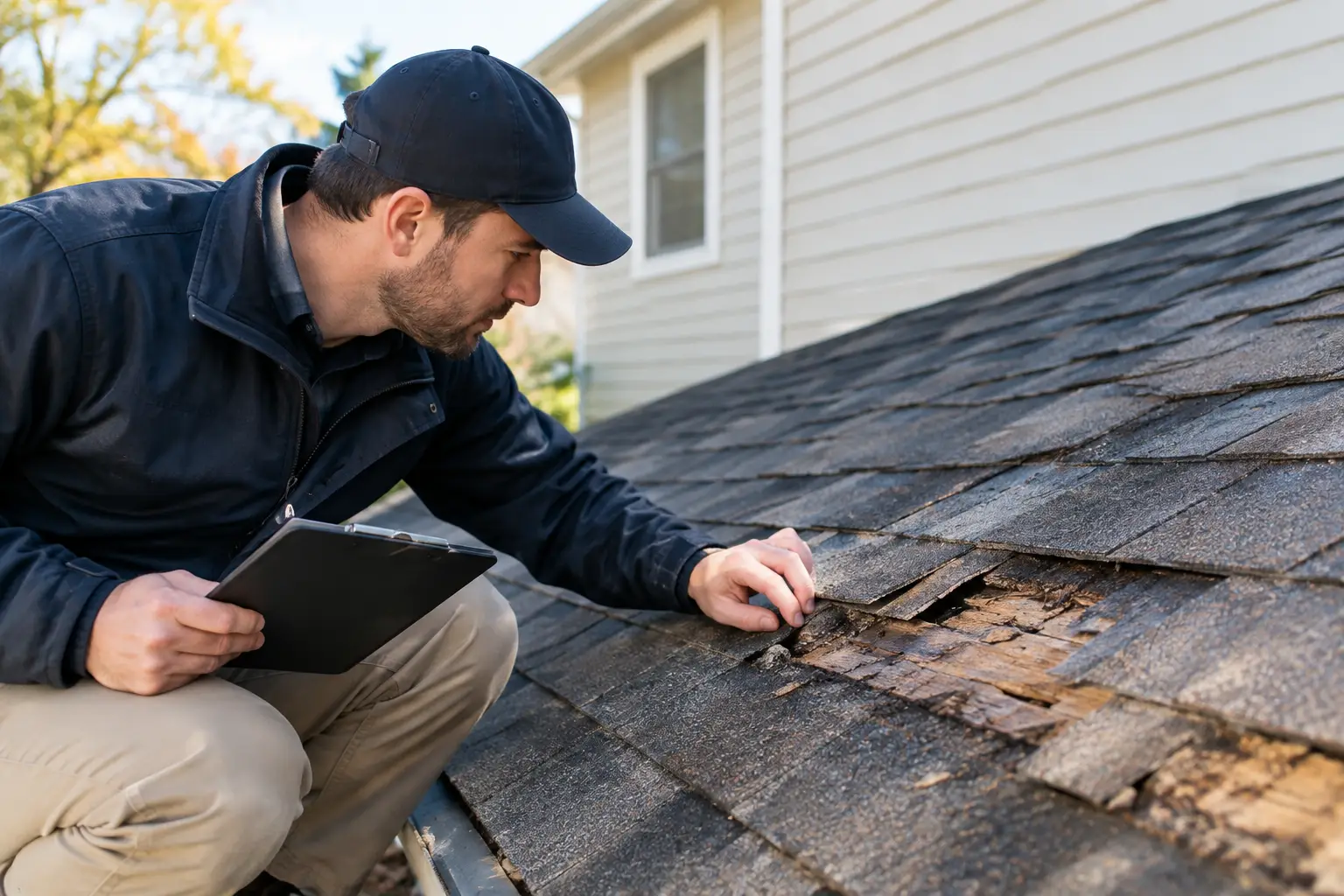
How to Spot Roof Rot Before It Spreads Further
A roof can look acceptable from the driveway while moisture is quietly damaging the wood beneath its shingles. Knowing how to spot roof rot early gives property owners a chance to address the source of water intrusion before a limited repair turns into widespread structural deterioration.
Roof rot is not always obvious, and it does not develop overnight. It usually begins when water repeatedly reaches roof decking, framing, fascia boards, or other wood components and cannot dry properly. In New Jersey and Staten Island, heavy rain, wind-driven storms, snow, ice, clogged gutters, and aging roofing materials can all create the conditions that allow rot to develop.
What Roof Rot Actually Means
Roof rot is wood decay caused by ongoing moisture exposure. The affected wood loses strength over time, becoming soft, darkened, cracked, or crumbly. On a roof, this may involve the decking beneath shingles, roof rafters, fascia along the edge of the roof, soffits, or the wood surrounding vents, chimneys, and skylights.
The visible roofing material is not always the problem. Shingles may be missing, curled, cracked, or worn, but the more serious concern is what water has done underneath them. A small leak that goes unnoticed through several seasons can weaken the roof structure, damage insulation, stain ceilings, and create conditions for mold growth.
Not every dark spot or bit of algae means your roof has rot. Surface staining can be cosmetic. The difference is whether water is getting beneath the roof covering and affecting the wood or interior areas of the property.
How to Spot Roof Rot From the Ground
A safe exterior check from the ground can reveal warning signs that deserve professional attention. You do not need to climb onto the roof to recognize a potential problem.
Start by looking for uneven roof lines. A roof should generally appear straight and consistent across its surface. A dip, low spot, or visibly sagging area can indicate weakened roof decking or framing beneath the shingles. This does not always mean rot, but it should be inspected promptly, especially if the area has worsened after storms or winter weather.
Pay attention to shingle condition as well. Missing shingles, lifted edges, cracked shingles, exposed nail heads, and worn areas around roof penetrations can allow water into the roofing system. These signs are particularly concerning near valleys, chimneys, skylights, plumbing vents, and areas where two roof sections meet.
Examine the fascia and soffits along the roof edge. Peeling paint, dark stains, swollen wood, visible cracking, or soft-looking sections may point to water escaping from a damaged roof or overflowing gutter system. Rot at the roof edge often develops when gutters are clogged, improperly pitched, leaking at seams, or pulling away from the fascia.
Signs of Roof Rot Inside the Property
Interior clues often appear before exterior rot becomes easy to see. Water can travel along roof decking, rafters, and insulation before it reaches a ceiling, so the location of a stain is not always directly below the source of the leak.
Water stains on ceilings or upper walls are a common warning sign. A yellow-brown ring, a spreading discolored patch, bubbling paint, or peeling drywall may indicate recurring moisture rather than a one-time spill. If a stain grows after rain or snowmelt, schedule an inspection rather than simply repainting the area.
In an attic or top-floor storage area, look for darkened wood, damp insulation, visible mold-like growth, rusty nails, or a musty odor. Daylight visible through the roof deck is also a clear concern. These conditions can result from an active roof leak, condensation caused by poor ventilation, or a combination of both.
A persistent musty smell should not be ignored, even if there is no obvious ceiling stain. Hidden moisture can remain trapped within insulation or behind finished surfaces. A professional inspection can help determine whether the issue is coming from the roof, attic ventilation, flashing, chimney area, or another exterior component.
Areas Where Roof Rot Often Starts
Roof rot commonly starts at vulnerable transition points rather than in the middle of an open roof field. Flashing around a chimney, skylight, dormer, vent pipe, or wall connection must direct water away from the roofing system. If flashing is loose, corroded, improperly integrated, or damaged by weather, water can reach the decking below.
Roof valleys are another frequent trouble area because they handle a large volume of rainwater. Leaves and debris can collect there, slowing drainage and holding moisture against shingles. Ice buildup during winter can add stress to these areas and expose existing weaknesses.
The roof edge also requires close attention. When gutters overflow, water may run behind them and soak the fascia, soffits, and lower roof decking. A gutter issue may seem separate from roofing, but drainage problems can contribute directly to wood rot and moisture damage.
Chimneys deserve careful evaluation as well. Cracked masonry, failing mortar joints, damaged chimney flashing, or an unsecured chimney cap can allow water into surrounding roof materials. In these cases, a lasting repair may require attention to both the chimney and the roof system rather than treating only the visible leak.
Why Small Leaks Can Cause Major Damage
The size of a ceiling stain does not reliably show the extent of roof rot. Water may enter through a small opening and spread across wood surfaces before becoming visible indoors. By the time a homeowner notices staining, the decking beneath a section of shingles may have already been exposed to repeated moisture.
Rot also tends to create a cycle. As wood weakens, fasteners may not hold as securely, flashing can shift, and shingles may become more vulnerable to wind damage. What began as a limited leak can expand into a larger roofing and exterior repair if it is left unresolved.
This is why a professional inspection should focus on finding the source of water entry, not just the place where water appeared. Replacing a few shingles without correcting damaged flashing, blocked drainage, poor ventilation, or deteriorated decking may provide only temporary relief.
When to Schedule a Professional Roof Inspection
Arrange an inspection promptly if you notice a sagging roof area, active dripping, recurring ceiling stains, soft or deteriorated fascia, missing shingles after a storm, or visible moisture in the attic. Emergency attention is especially appropriate when water is entering the property during rainfall or when a section of the roof appears unstable.
It is also wise to have an aging roof evaluated before small issues become difficult to see. Property managers and owners of multifamily buildings should take recurring top-floor leaks seriously, even when they appear minor. Repeated moisture exposure can affect multiple units, insulation, interior finishes, and structural components.
A qualified exterior contractor can assess the roof covering, flashing, decking condition where accessible, drainage paths, chimney connections, and attic ventilation. The goal is to provide a clear scope of what is damaged, what caused it, and which repairs are needed to protect the property.
Can Roof Rot Be Repaired?
Often, yes. The appropriate repair depends on how far the decay has spread. A localized problem may involve replacing damaged decking, repairing flashing, and restoring the roofing materials in that area. More extensive deterioration may require a broader roof repair or replacement plan to ensure the structure is properly protected.
The key is not to cover up damaged wood or install new shingles over an unresolved moisture problem. Any repair should address the water source first, remove compromised materials where necessary, and restore proper drainage and weather protection.
For homeowners and property owners in New Jersey and Staten Island, Top Pros Construction can inspect roofing, gutters, chimneys, and related exterior components to identify where moisture is entering and recommend a practical repair path. If you have noticed even one of these warning signs, an inspection now can help protect the parts of your property that water damage is hardest to see.