Roof Replacement Cost New Jersey Homeowners Pay
A roof replacement is one of the largest investments a New Jersey property owner can make, and the real roof replacement cost New Jersey homeowners pay depends on far more than square footage. A small ranch with one layer of aging shingles is a very different project from a steep, multi-level home with storm damage, chimney flashing issues, and deteriorated plywood beneath the old roof. The right estimate should make those differences clear before work begins.
For many homes, an asphalt-shingle roof replacement may fall roughly between $8,000 and $25,000 or more. Larger homes, complex roof designs, premium shingle systems, major deck repairs, and difficult access can push the investment higher. A professional inspection is the only dependable way to determine what your roof needs and what the completed project should cost.
What Shapes Roof Replacement Cost in New Jersey?
New Jersey roofs work hard. They face wind-driven rain, summer heat, winter freeze-thaw cycles, coastal moisture in some areas, and heavy snow conditions in others. Pricing reflects not only the new shingles you see from the street, but also the complete system underneath that keeps water out of the home.
Roof size and layout
Roofing is measured in squares, with one roofing square equal to 100 square feet of roof surface. A home’s interior square footage is only a starting point because the roof may extend beyond the exterior walls, include overhangs, or have more than one level.
A simple, low-slope gable roof is generally faster and safer to replace than a roof with several dormers, valleys, skylights, hips, steep pitches, or intersecting sections. Complex layouts require more cutting, flashing, labor, and material waste. They also create more areas where precise installation matters most.
Material selection
Most New Jersey homeowners choose architectural asphalt shingles because they provide dependable protection, attractive color options, and strong value. Standard three-tab shingles can cost less, while designer shingles, impact-resistant products, and specialty systems add to the overall price.
Material decisions should not be based on shingle color alone. Underlayment, ice and water protection, starter shingles, ridge cap shingles, ventilation components, flashing, and fastening methods all affect how well the roof performs. A lower initial quote may leave out parts of the system that help prevent leaks around vulnerable areas.
Existing roof condition
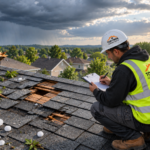
A replacement estimate can change once old materials are removed. If the roof deck is soft, rotted, split, or damaged by long-term moisture, those sections need repair before new roofing is installed. Covering compromised decking can lead to uneven shingles, loose fasteners, and recurring leaks.
Hidden damage is not always predictable from the ground. A qualified contractor should explain how deck repairs are handled, what the labor and material pricing looks like, and when homeowner approval is needed. Clear communication protects you from surprises while making sure the new roof is built on a sound surface.
Tear-off, disposal, and access
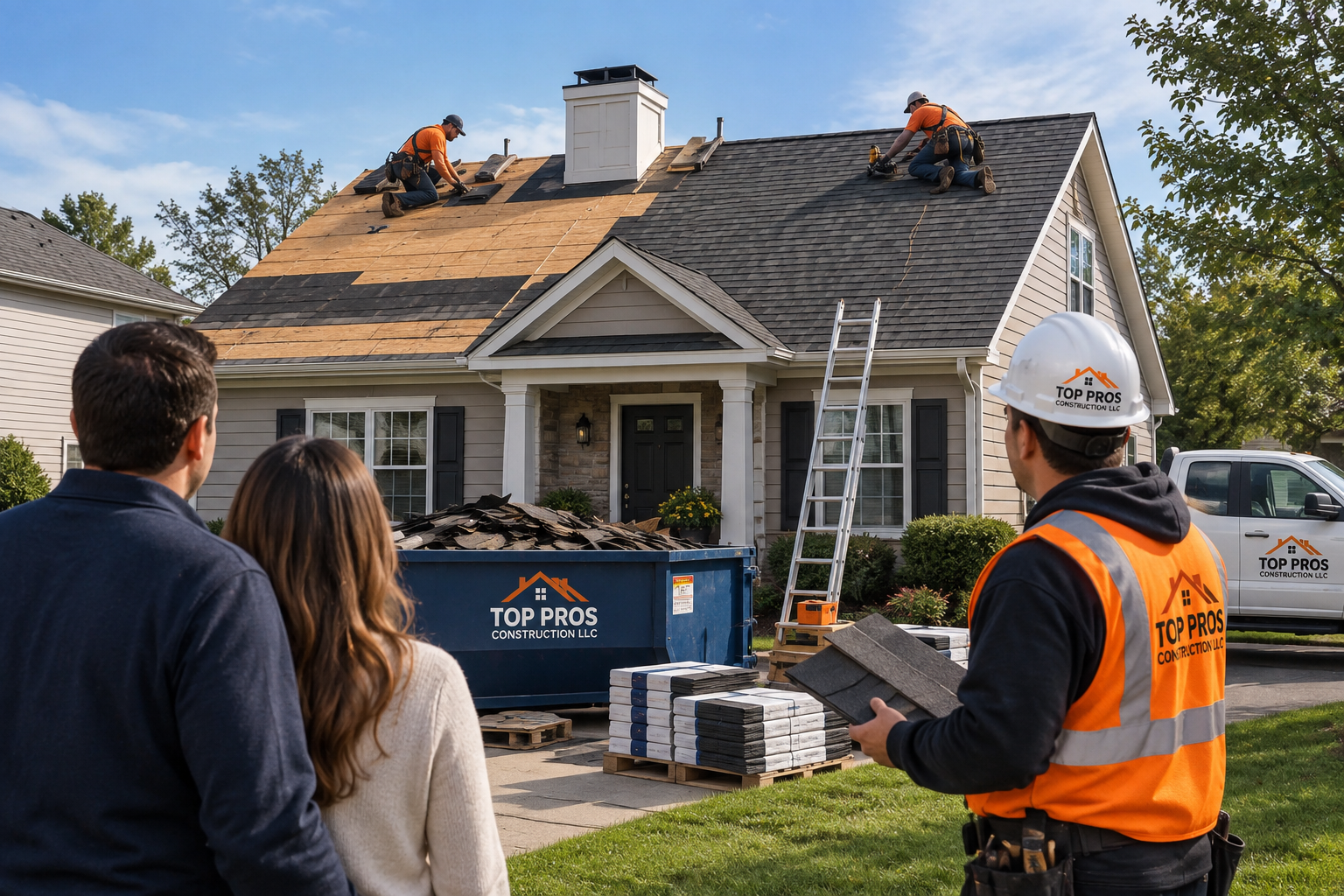
Removing old shingles, underlayment, nails, and damaged flashing takes labor and generates disposal costs. A roof with multiple existing layers may require a more involved tear-off than a single-layer roof. Local code requirements and the condition of the existing system can also affect whether a complete removal is necessary.
Access matters as well. Tight driveways, extensive landscaping, elevated roofs, and limited space for material delivery or debris removal can affect labor planning. Responsible crews protect the property, manage debris carefully, and perform a final cleanup rather than treating cleanup as an afterthought.
Flashing, ventilation, and connected exterior work
Roof failures often occur around penetrations and transitions, not in the middle of a shingle field. Chimneys, wall intersections, vents, pipes, skylights, and valleys need properly integrated flashing. If a chimney has deteriorated mortar or a skylight is nearing the end of its service life, addressing it during a replacement can be more cost-effective than reopening a new roof later.
Ventilation also deserves attention. An attic that traps heat and moisture can shorten shingle life, contribute to condensation, and increase strain on the home. Ridge vents, intake ventilation, and other components should be evaluated as part of the roofing system, not sold as unrelated upgrades.
What Affects Roof Replacement Costs?
Every property requires an on-site evaluation because no two roofing projects are exactly the same. The scope of a roof replacement in New Jersey depends on the size and condition of the roof, the materials selected, accessibility, and any additional repairs discovered during inspection.
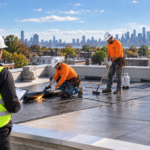
Several factors can affect the overall project, including roof size and pitch, multiple layers of existing roofing, damaged or deteriorated decking, shingle selection, flashing, ventilation, chimney work, skylights, and gutter and siding repairs. Commercial and flat-roof projects require a separate evaluation because membrane systems, insulation, drainage conditions, rooftop equipment, and building access can significantly affect the work required.
When comparing roofing estimates, homeowners should look carefully at the complete scope of work rather than choosing a contractor based only on the final total. A comprehensive proposal may include removal and disposal of the existing roof, roof-deck inspection, ice and water protection, underlayment, flashing, ventilation improvements, installation, permit requirements, and final cleanup.
At Top Pros Construction LLC, each roof is evaluated individually so homeowners receive an estimate based on the actual condition of their property and the work required.
How to Read a Roof Replacement Estimate
A dependable estimate should clearly explain what will be removed, repaired, installed, and covered by warranty. It should identify the roofing materials, underlayment, flashing, ventilation, decking repairs when necessary, disposal, cleanup, and other work included in the project.
Clear details make it easier to compare roofing proposals and understand exactly what is included before work begins. Vague estimates can leave important items undefined and may lead to misunderstandings or unexpected changes once the project is underway.
Before approving a project, ask whether the estimate includes the following:
- Removal and disposal of existing roofing materials
- The exact shingle brand, product line, and color
- Underlayment, ice and water protection, starter strips, and ridge caps
- Flashing work around chimneys, walls, valleys, vents, and skylights
- Decking repair pricing if damaged wood is discovered
- Ventilation improvements, permits, property protection, and cleanup
You should also confirm the contractor’s licensing and insurance. Roofing is skilled exterior work, and an insured, experienced crew provides protection that a cash-only or poorly documented operation cannot. Ask who will perform the installation, how long the work should take, and how the property will be protected during the project.
Repair or Replacement: Which Makes Financial Sense?
Not every roof problem requires replacement. A localized leak caused by lifted flashing, missing shingles, a damaged pipe boot, or a small section of storm damage may be repaired successfully. Timely repair can stop water intrusion and extend the roof’s useful life.
Replacement becomes more practical when repairs are becoming frequent, shingles are curling or losing granules across large areas, leaks appear in more than one location, or the roof is near the end of its expected service life. It can also make sense when hidden deck damage, poor ventilation, or a failing flashing system indicates broader problems.
A careful inspection should give you an honest answer. Homeowners deserve to know whether a targeted repair is likely to hold or whether spending money on repeated patches is delaying a necessary replacement.
Planning for a New Jersey Roof Replacement
If your roof is aging but not actively leaking, planning ahead gives you more control over material choices, schedule, and budget. You can compare detailed proposals without the pressure of an emergency. If water is entering the home, acting quickly is the priority. Delayed leak repairs can damage insulation, ceilings, framing, electrical components, and interior finishes.
Weather also affects scheduling. Roofing can be completed during much of the year when conditions are safe and materials can be installed correctly, but severe storms, snow, high winds, and extended rain can change the timeline. A professional contractor should set realistic expectations and never rush work when conditions could compromise quality.
Top Pros Construction LLC helps New Jersey property owners evaluate roof damage, understand the full scope of replacement work, and coordinate connected exterior repairs when needed. A clear, in-home estimate gives you the information to make a confident decision without guessing what may be hidden beneath worn shingles.
Questions Homeowners Often Ask
Does homeowners insurance cover a roof replacement?
Insurance may cover sudden, accidental storm damage from a covered event, subject to your policy, deductible, and claim review. It usually does not cover normal age-related wear or maintenance issues. Document damage promptly and obtain a professional assessment before making major decisions.
How long does an asphalt-shingle roof replacement take?
Many residential replacements can be completed in one to several days, depending on roof size, complexity, weather, deck repairs, and material delivery. Larger homes and projects with masonry, skylight, or gutter work may take longer.
Can new shingles be installed over old shingles?
In some situations, local rules and roof conditions may allow an overlay. However, a full tear-off often provides the better long-term result because it allows the deck, flashing, and underlayment to be inspected and corrected. It also avoids adding unnecessary weight and can improve the finished appearance.
Your roof protects every room beneath it. When you request estimates, look for a contractor who explains the work in plain language, documents the complete scope, and treats the details behind the shingles with the same care as the finished roof you will see every day.