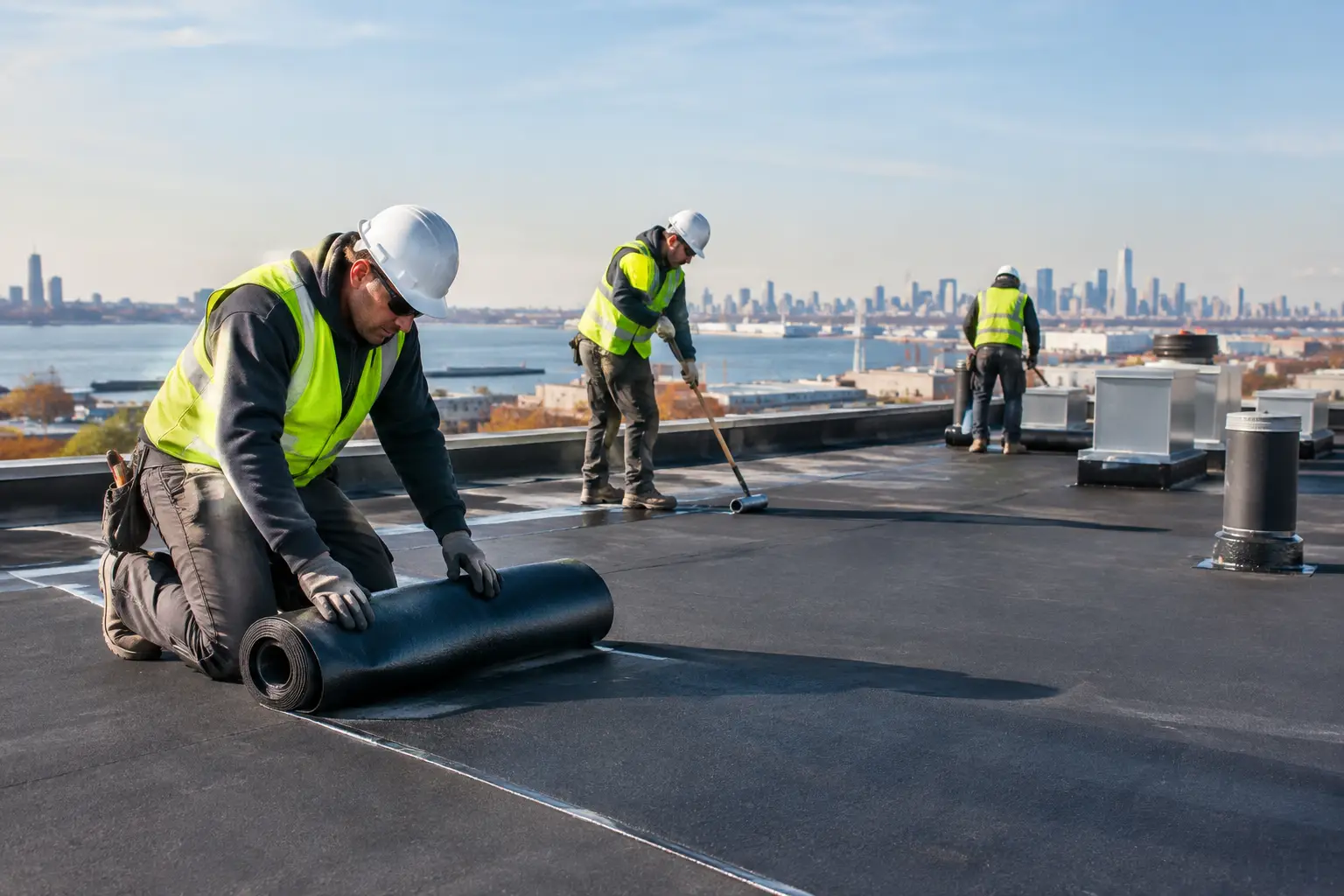
Industrial Roofing Solutions for New Jersey Sites
A leak over a loading line, production floor, warehouse aisle, or electrical room is not a minor maintenance issue. It can stop work, damage inventory, create safety concerns, and allow water to reach insulation, decking, and interior systems. The right industrial roofing solutions protect more than the roof surface – they help protect the daily operation of the entire facility.
For New Jersey property owners and facility managers, the best approach starts with a clear assessment of the building, the roof’s condition, drainage performance, and the way the space is used. A roofing system that works well for a small warehouse may not be the right fit for a manufacturing site with rooftop equipment, frequent foot traffic, chemical exposure, or strict scheduling requirements.
Start With the Roof Problem, Not the Product
Industrial roofs are often low-slope systems, which means water management is central to their performance. When a roof holds standing water after normal drying time, has open seams, damaged flashing, cracked coatings, or recurring leaks near penetrations, the issue needs more than a quick patch.
A qualified inspection should identify where water is entering and why. The visible ceiling stain may be far from the actual source. Water can travel beneath the membrane, along steel decking, around curbs, or through poorly sealed penetrations before it appears indoors. Finding the true failure point prevents repeated repairs in the same area while the underlying problem continues.
The inspection should also consider the roof’s age, prior repair history, insulation condition, drainage layout, rooftop units, edge details, and signs of structural moisture damage. This information helps determine whether a focused repair, restoration system, or full replacement offers the most practical long-term value.
Common Industrial Roofing Solutions
The right system depends on the building and its operating demands. Material cost matters, but the expected service life, maintenance needs, installation conditions, and potential disruption matter just as much.
Single-ply membrane roofing
TPO, PVC, and EPDM are common single-ply membrane options for industrial buildings. TPO is frequently selected for its reflective surface, welded seams, and performance on many low-slope commercial roofs. PVC can be a strong choice where grease, oils, or chemical exposure are concerns, such as certain food-processing or industrial environments. EPDM is a durable rubber membrane with a long history on large roof areas, though its dark surface may absorb more heat unless a coating or other strategy is used.
Single-ply systems can be mechanically attached, fully adhered, or ballasted in some applications. The attachment method affects wind resistance, weight, installation time, and future repairs. A contractor should recommend the assembly based on the deck type, roof design, local weather exposure, and manufacturer requirements.
Modified bitumen and built-up roofing
Modified bitumen and built-up roofing systems use multiple layers to create durable protection. They can be especially useful on roofs with heavy traffic, complicated detailing, or a history of repairs. Because these assemblies are layered, they provide redundancy, but they may also require more labor and careful installation than a simple single-ply system.
For facilities with frequent service work around HVAC units, vents, and rooftop equipment, reinforced walk pads and well-designed flashing are just as important as the field membrane. A quality roof can still be damaged by repeated foot traffic if high-use paths are not protected.
Roof coatings and restoration systems
A roof coating may extend the useful life of an existing system when the underlying roof is still dry, stable, and structurally sound. Silicone, acrylic, and polyurethane coatings can address weathering, minor surface deterioration, and certain seam details while improving reflectivity in appropriate applications.
Coatings are not a shortcut for a saturated roof, failed insulation, widespread membrane damage, or deteriorated decking. Applying a coating over trapped moisture can hide the problem temporarily while deterioration continues below the surface. Moisture testing and an honest condition assessment should come before any restoration recommendation.
Targeted repairs and emergency leak response
Not every industrial roof needs replacement. A localized puncture, loose flashing, failed pipe boot, open seam, or storm-damaged area may be repaired effectively when caught early. Fast response matters because water intrusion can spread beyond the initial opening.
Emergency repairs should stabilize the roof and stop active water entry. After conditions are safe, the next step is determining whether the leak was isolated or a warning sign of broader system failure. This protects the facility from treating recurring problems as separate emergencies.
Drainage Is Part of the Roofing System
A low-slope roof is designed to shed water gradually, not hold it indefinitely. Clogged drains, undersized scuppers, damaged gutters, poor slope, and debris buildup can leave water on the roof long after a storm. That standing water adds weight, accelerates material wear, and makes small defects more likely to become leaks.
New Jersey’s rain, snow, freeze-thaw cycles, and seasonal debris make routine drainage maintenance especially valuable. Drains and scuppers should be kept clear, and rooftop debris should be removed before it blocks water flow. At the building perimeter, failing gutters, loose coping, deteriorated masonry, or damaged siding can also direct water into places it does not belong.
This is why exterior-envelope planning matters. The roof, drainage system, walls, flashings, and penetrations must work together. Addressing only one component may leave the building exposed at the next weak point.
How to Choose the Right Industrial Roofing Contractor
Industrial roofing is not a place to make decisions based on the lowest quote alone. The lowest initial number can become expensive if the scope leaves out wet insulation, drainage corrections, flashing work, safety planning, or necessary details around rooftop equipment.
Ask for a clear explanation of the roof condition and the proposed scope. You should understand whether the contractor is recommending repair, restoration, recover, or tear-off, and why that option fits your building. The estimate should define materials, insulation where applicable, drainage work, flashing, penetration details, debris removal, and expected project timing.
It is also reasonable to ask how the work will affect your operation. Many facilities cannot afford unrestricted access, noise, odors, blocked loading areas, or work above sensitive equipment during business hours. A dependable contractor plans around these realities, coordinates access, protects the work area, and communicates schedule changes quickly.
Top Pros Construction LLC approaches industrial and commercial roofing with the same priority that matters to every property owner: stop water intrusion, protect the structure, and provide straightforward recommendations based on the roof in front of us. Licensed, insured workmanship and responsive support give owners a clearer path when repairs cannot wait.
Plan Maintenance Before the Next Leak
A maintenance plan does not eliminate every roofing problem, especially after severe weather. It does make small failures easier to find before they damage insulation, inventory, ceilings, or equipment. For many facilities, inspections in the spring and fall, plus checks after major storms, provide a practical baseline.
During these visits, pay attention to open seams, punctures, loose edge metal, cracked sealant, deteriorated flashing, ponding water, blocked drains, and damage around HVAC curbs. Keep records of repairs, leaks, and areas of repeated concern. A pattern of repairs in one section can reveal an aging system that deserves a more complete solution.
Budget planning is another benefit. A documented roof condition helps owners schedule restoration or replacement on their terms rather than reacting after a major interior leak. It also makes it easier to coordinate roofing work with HVAC upgrades, solar planning, masonry repairs, or drainage improvements.
When Replacement Is the Better Investment
Replacement may be the responsible choice when moisture has spread through the insulation, the membrane has reached the end of its service life, repairs are becoming frequent, or the decking and roof assembly need correction. While replacement has a higher upfront cost, it can reduce ongoing emergency calls, protect interior operations, and create an opportunity to improve insulation and drainage.
A roof recover can sometimes avoid a full tear-off, but only when the existing system meets code and is dry enough to support it. If there are multiple old roof layers, trapped moisture, structural concerns, or widespread damage, removing the existing assembly may be necessary. The right answer depends on verified roof conditions, not assumptions.
A well-maintained industrial roof gives your facility one less emergency to manage. If you are seeing stains, active leaks, ponding water, or aging materials, schedule a professional inspection before the next storm turns a manageable repair into operational downtime.